Imagine scrolling through accommodation listings, wondering if any of them truly understand what you need. For NDIS participants with high support needs, finding suitable housing isn’t just about finding a place to live, it’s about finding a home that supports your independence, safety, and quality of life.
If you’re searching for SDA accommodation in Sydney or across NSW, you’re likely navigating a complex landscape of design categories, eligibility requirements, and location options. The good news? You have more choices than ever before, particularly in growth areas like Greater Western Sydney where purpose-built specialist disability accommodation is expanding rapidly.
This guide breaks down everything you need to know about SDA accommodation across Sydney and NSW. We’ll explore the different design categories, highlight key locations, explain what to look for during property inspections, and help you understand the pathway to securing suitable housing. Whether you’re just starting your search or ready to schedule property viewings, this comprehensive resource will help you make informed decisions about your housing future.
What is SDA Accommodation?
Specialist Disability Accommodation (SDA) refers to housing specifically designed for NDIS participants with extreme functional impairment or very high support needs. These aren’t standard homes with minor modifications; they’re purpose-built properties with integrated accessibility features, assistive technology, and design elements that support independent living.
SDA is funded through the NDIS for eligible participants who require specialist housing solutions due to their disability. It’s important to understand that SDA funding covers the cost of the accommodation itself, the bricks, mortar, and built-in features. This is separate from Supported Independent Living (SIL) funding, which covers the support services you receive in your home, such as assistance with daily tasks.
For example, a participant with high physical support needs might live in an SDA property equipped with ceiling hoists, wider doorways, and emergency alert systems. Another participant with complex behaviours might benefit from a robust design with reinforced structures and sensory considerations. The key is matching the accommodation type to your specific needs.
According to the NDIS website, SDA is one of the most significant investments the NDIS makes in individual participants, reflecting the crucial role appropriate housing plays in supporting independence and wellbeing.
SDA Design Categories Explained
The NDIS recognises four distinct SDA design categories, each tailored to different support needs and levels of functional impairment. Understanding these categories is essential when searching for suitable sda housing in Sydney or NSW.
Improved Liveability
Improved Liveability homes are designed for participants who require better provision for living, particularly those with sensory, intellectual, or cognitive impairments. These properties feature:
- Enhanced acoustics and soundproofing
- Improved lighting and ventilation
- Better spatial layout for easier navigation
- Reduced maintenance requirements
- Consideration for sensory sensitivities
Typical accommodation types include apartments, townhouses, and small group homes located close to community facilities and transport.
Fully Accessible
Fully Accessible properties cater to participants with significant physical impairments who use mobility aids like wheelchairs. Key features include:
- Level or ramped access throughout
- Wider doorways and corridors (minimum 1,200mm)
- Accessible bathrooms with adequate circulation space
- Reinforced walls for grab rails and equipment
- Accessible kitchen facilities with adjustable features
These homes enable participants to move freely and safely throughout their living environment without barriers.
Robust
Robust design accommodates participants with complex behaviours or those who might inadvertently damage standard housing. Features typically include:
- Reinforced wall structures
- Impact-resistant materials
- Secure fixtures and fittings
- Durable flooring and surfaces
- Considered layout for behaviour management
This category particularly benefits participants with conditions affecting impulse control or spatial awareness.
High Physical Support
High Physical Support represents the most sophisticated SDA category, designed for participants with very high physical support needs. Properties feature:
- Ceiling-tracked hoisting systems throughout living areas
- Emergency call systems and monitoring
- Automated doors, windows, and environmental controls
- Space for assistive equipment and overnight support workers
- Voice-activated technology for lights, doors, and temperature control
At Sunrise SDA, we specialise in all four design categories, with particular expertise in High Physical Support and Robust designs. Our Northcott Road property in Lalor Park exemplifies High Physical Support design with ceiling hoists, voice-controlled systems, and dedicated spaces for overnight assistance.
SDA Accommodation Options Across Sydney & NSW
Finding the right location for your SDA accommodation involves balancing proximity to family, access to services, community connections, and property availability. Here’s what you need to know about SDA options across Sydney and NSW.
Greater Western Sydney: The SDA Growth Hub
Greater Western Sydney has emerged as a focal point for quality specialist disability accommodation, offering excellent value, modern builds, and strong community infrastructure.
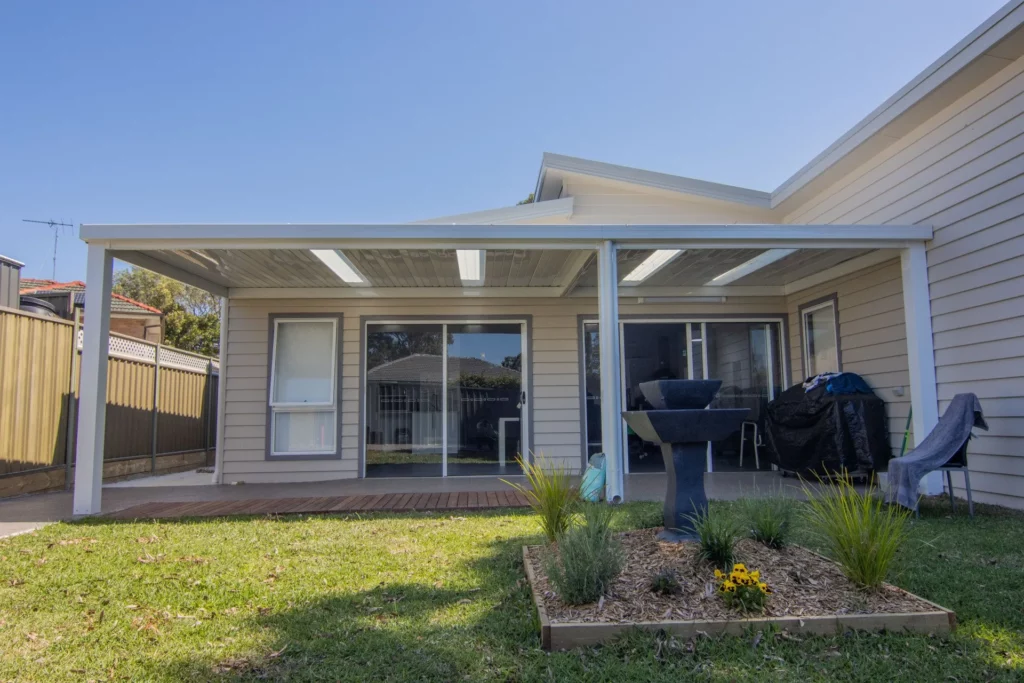
Lalor Park has become particularly significant in the SDA landscape. Located approximately 40 kilometres west of Sydney’s CBD, Lalor Park offers the perfect combination of accessibility and affordability. The area features excellent transport links via Blacktown Station, proximity to Westpoint Shopping Centre, and access to Blacktown Hospital’s specialist services. Sunrise SDA operates multiple properties in Lalor Park, including our flagship Gardenia Grove home featuring cutting-edge smart home technology and High Physical Support design.
Blacktown serves as a major service hub with extensive medical facilities, shopping centres, and community services. The area’s strong multicultural community and excellent NDIS provider network make it an attractive option for participants seeking vibrant, connected living.
Parramatta, as Sydney’s second CBD, offers unparalleled access to services, entertainment, and employment opportunities. While SDA accommodation here tends to be more limited and competitive, the location benefits are significant for participants who prioritise urban connectivity.
Penrith provides a more relaxed lifestyle at the foot of the Blue Mountains while maintaining strong service infrastructure. The area’s growing SDA market offers modern properties with excellent community facilities.
Other Sydney Regions
Inner West areas like Burwood and Strathfield offer established communities with excellent transport and cultural amenities. However, SDA availability tends to be limited and highly sought after.
Eastern Suburbs properties are rare in the SDA market due to high property costs. When available, they typically feature Improved Liveability or Fully Accessible designs in apartment settings.
Northern Suburbs, particularly areas like Hornsby and Ryde, offer some SDA options with good access to healthcare and community services, though availability varies significantly.
Southern Sydney regions including Sutherland Shire have emerging SDA markets, particularly for Fully Accessible and Improved Liveability categories.
Regional NSW Options
Newcastle has developed a strong SDA sector with diverse property types across all design categories. The coastal lifestyle and lower cost of living appeal to many participants.
Wollongong offers beach-side living combined with comprehensive support services and medical facilities, with growing SDA investment in recent years.
Central Coast provides a middle ground between Sydney and Newcastle, with developing SDA markets in Gosford and Wyong particularly.
For comprehensive insights into SDA housing options in Greater Western Sydney, our detailed regional guide explores specific suburbs, property types, and what makes each area unique for NDIS participants.
What to Look for When Choosing SDA Accommodation
Selecting the right SDA accommodation requires careful consideration of multiple factors. Use this practical checklist when evaluating properties:
Location Factors: Consider proximity to family and friends who provide informal support. Evaluate access to public transport, can you reach medical appointments, day programs, or community activities independently? Look at nearby facilities including shops, pharmacies, medical centres, and recreational spaces. The right location supports both independence and community connection.
Property Features and Accessibility: Verify that accessibility features match your specific needs. If you use a wheelchair, check doorway widths, turning circles, and bathroom layouts. Examine assistive technology integration, voice-controlled systems, automated doors, and emergency alerts should be intuitive and reliable. Assess natural lighting, ventilation, and outdoor access for quality of life factors.
Design Category Match: Ensure the property’s design category aligns with your NDIS plan and occupational therapist recommendations. A mismatch between your needs and the property design can compromise both safety and independence. Our comprehensive SDA housing guide explores how to determine which category suits your circumstances.
Support Availability: Investigate whether the property includes Onsite Overnight Assistance (OOA) if required. Consider proximity to your preferred support providers and their willingness to service the location. Evaluate the availability of emergency support and response systems.
Technology and Smart Home Features: Modern SDA accommodation increasingly features smart home technology that enhances independence. Look for voice-activated controls for doors, lighting, and temperature. Check for video intercom systems, emergency call buttons, and fall detection systems. At Sunrise SDA, our smart home technology comes standard, not as expensive add-ons.
Community and Social Opportunities: Consider whether the property and location support your social goals. Look for nearby day programs, recreational facilities, and community centres. Evaluate opportunities for social connection with neighbours and the local community.
Vacancy and Availability: Check current vacancy status and expected move-in timelines. Understand waiting lists and application processes. For new builds, clarify construction timelines and interim accommodation if needed.
Before making any commitments, always conduct thorough in-person inspections. Our detailed SDA property inspection checklist provides a room-by-room guide to evaluating properties effectively.
How to Find Available SDA in Sydney & NSW
Discovering available SDA accommodation requires a proactive, multi-channel approach. Here are the most effective strategies:
NDIS Housing Hub serves as the official database for SDA listings across Australia. The platform allows you to search by location, design category, and property features. While not every provider lists on the Hub, it’s an essential starting point for understanding market availability.
Support Coordinators often have insider knowledge of upcoming vacancies and new properties. They maintain relationships with SDA providers and can facilitate introductions. If you have a support coordinator, leverage their network and expertise throughout your housing search.
Direct Contact with SDA Providers like Sunrise often yields the best results. Many providers maintain waiting lists and can notify you of upcoming vacancies before public listing. We encourage participants to reach out directly, our team provides obligation-free consultations where we’ll discuss your needs, show you available properties, and even arrange viewings of occupied properties with current resident permission.
Occupational Therapist Recommendations can point you toward providers who specialise in your specific requirements. OTs conducting home assessments often know which properties and providers have strong reputations for quality and participant satisfaction.
Online Property Listings and provider websites offer insights into what’s currently available or under construction. Regular checking helps you spot new opportunities quickly.
The most successful housing searches involve in-person property inspections. Photos and specifications tell only part of the story, you need to experience the space, test accessibility features, and envision your daily life there. At Sunrise SDA, we welcome property tours and encourage you to bring family members, carers, or support coordinators to viewings.
Ready to start exploring? Contact Sunrise SDA on 1300 71 06 71 or email info@sunriseda.com.au to arrange an obligation-free property inspection in Lalor Park or discuss upcoming developments.
Understanding SDA Eligibility & Funding
Not all NDIS participants qualify for SDA funding, it’s reserved for those with extreme functional impairment requiring specialist housing solutions. Eligibility depends on several factors assessed by the NDIS.
Generally, you may be eligible for SDA if you have very high support needs related to mobility, personal care, or complex behaviours that cannot be adequately met in standard housing. The NDIS considers whether specialist housing would deliver better outcomes and value compared to alternative supports.
The application process typically involves detailed assessments from occupational therapists who evaluate your functional capacity, current living situation, and future housing needs. These reports form the foundation of your SDA funding request. For a detailed walkthrough of how to get NDIS SDA funding approved, our step-by-step guide covers documentation requirements, assessment processes, and tips for strengthening your application.
It’s crucial to understand that SDA funding is separate from your core supports and capacity building budgets. SDA covers the cost of your accommodation, while other NDIS funding categories cover your support services, therapies, and daily living assistance.
The NDIS Quality and Safeguards Commission regulates SDA providers to ensure quality and safety standards. All registered SDA providers must meet strict compliance requirements, giving you confidence in the quality of accommodation options.
If you’re uncertain about your eligibility, discuss SDA with your NDIS planner, support coordinator, or occupational therapist. They can advise whether pursuing SDA funding aligns with your goals and circumstances.
Finding Your Home in Sydney & NSW
Searching for SDA accommodation in Sydney and NSW represents an important step toward greater independence and quality of life. The right home does more than provide shelter; it supports your goals, enhances your safety, and enables you to live life on your terms.
Throughout this guide, we’ve explored the four SDA design categories, highlighted key locations across Greater Western Sydney and beyond, and provided practical advice for evaluating properties. Remember that finding suitable accommodation takes time; rushing decisions rarely leads to optimal outcomes. Take advantage of property inspections, ask detailed questions, and trust your instincts about whether a property feels like the right fit.
At Sunrise SDA, we understand that housing is deeply personal. That’s why we specialise in creating homes, not just houses, with integrated smart technology, modern design, and genuine care for the people who’ll call our properties home. Our team brings real disability sector experience to every consultation, ensuring we understand your needs at a practical level.
Whether you’re exploring options in Lalor Park, searching across Greater Western Sydney, or considering locations throughout NSW, we’re here to help. We offer obligation-free consultations, property tours with coffee, and honest conversations about whether our properties match your needs.
Ready to explore SDA accommodation options?
📞 Call us: 1300 71 06 71
✉️ Email: info@sunriseda.com.au
🏡 Visit: Our properties in Lalor Park, Greater Western Sydney
Home is where living begins. Let’s find yours together.