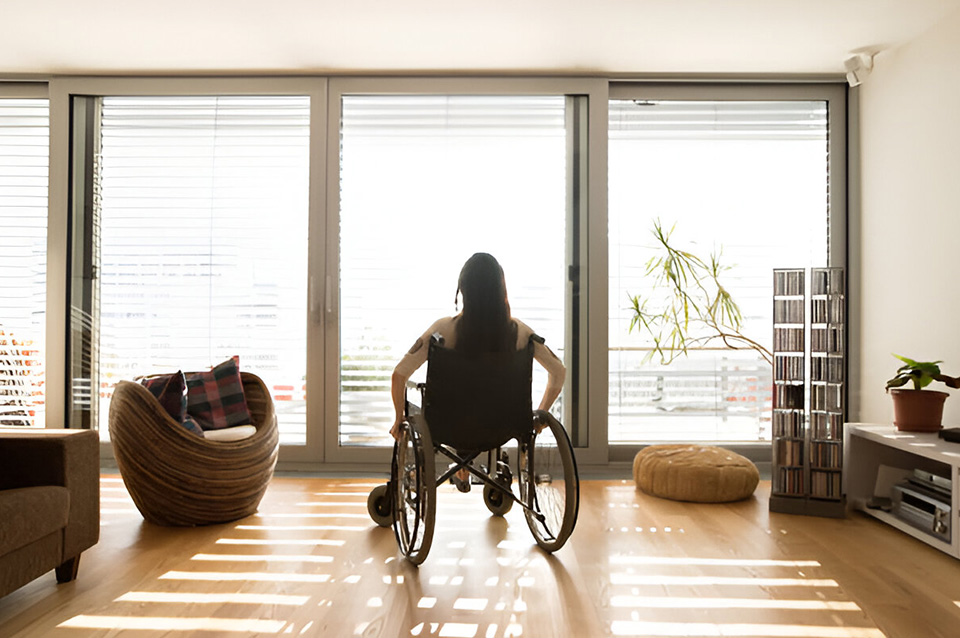
Picture this: You’re sitting with your support coordinator, discussing your housing options. You’ve got SDA funding approved, and now you’re wondering, what would it be like to live in a group home? Would you have privacy? Would you get along with your housemates? Is it the right choice for you?
These are questions many NDIS participants ask when considering SDA group homes in NSW. The good news? Modern group homes are worlds apart from what you might imagine. They’re purpose-built homes where you have your own private space whilst being part of a genuine community. Think of it as having the best of both worlds: independence in your own bedroom and ensuite, with the warmth of shared experiences in common areas.
This comprehensive guide covers everything you need to know about SDA group homes in NSW, from what they are and their benefits, to how to find quality accommodation and decide if group home living is right for you. Whether you’re in Greater Western Sydney, Newcastle, or anywhere across NSW, we’ll help you navigate your options with confidence.
What Are SDA Group Homes?
SDA group homes are Specialist Disability Accommodation designed for 2-5 residents with disability who each have NDIS SDA funding in their plan. Unlike traditional housing, these are purpose-built or extensively modified homes that meet rigorous NDIS standards for accessibility, safety, and quality of life.
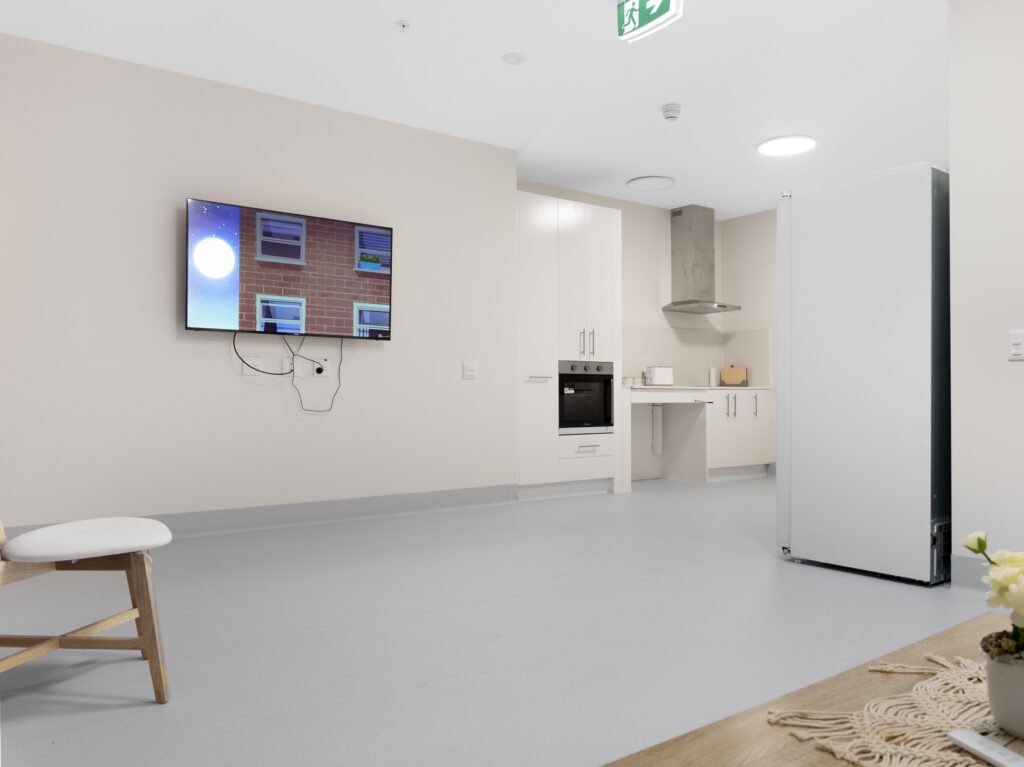
Each resident receives their own private bedroom with an ensuite bathroom, this is crucial for maintaining dignity and personal space. The home also features shared common areas including a kitchen, living room, and dining area where residents can socialise if they choose to. Many group homes in NSW also include Onsite Overnight Assistance (OOA), meaning a support worker stays overnight to assist with emergencies and scheduled care.
How They Differ from Other Accommodation
Compared to solo SDA homes: Group homes offer shared living with a built-in community. Instead of living alone, you have housemates who understand the disability experience and can offer friendship and companionship.
Compared to traditional group homes: Modern SDA group homes are purpose-built to current NDIS standards, featuring the latest accessibility technology and smart home systems. They’re designed with both functionality and aesthetics in mind, these are real homes, not facilities.
Compared to SIL arrangements: It’s important to understand the difference between SDA and SIL. SDA is the physical building itself, whilst SIL (Supported Independent Living) refers to the support services you receive. Many group homes combine both, with SDA funding covering the accommodation and SIL funding covering support worker assistance.
Key Features of Modern SDA Group Homes
Modern NDIS group homes come equipped with features that enhance both independence and safety:
- Private bedroom and ensuite for every resident (typically 12-16m² bedrooms)
- Accessible design throughout—wide doorways (minimum 1200mm), level access, no-step entries
- Shared living spaces designed for both socialising and privacy
- Smart home technology—voice-controlled doors, lighting, temperature control, automated blinds
- Safety features—emergency alert systems, secure entry, 24/7 monitoring where appropriate
- Outdoor spaces—private gardens, courtyards, or patios for fresh air and relaxation
- Assistive technology—ceiling hoists, adjustable counters, accessible bathrooms with supportive railings
These aren’t basic accommodations. Properties like our High Physical Support property in Lalor Park demonstrate how modern group homes integrate advanced accessibility features as standard, not add-ons.
Who Are They Designed For?
SDA group homes are designed for NDIS participants who:
- Have SDA funding included in their NDIS plan
- Want a balance between independence and community connection
- Have high support needs and would benefit from rostered care or OOA
- Are seeking social connection alongside personal privacy
- Value living with others who understand the disability experience
- Want access to modern accessibility features and assistive technology
The Benefits of SDA Group Home Living
Social Connection & Community
Loneliness and isolation are significant concerns for many people with disability. SDA group homes in NSW address this by creating a natural community right where you live.
You’ll have built-in opportunities for companionship and friendship. Your housemates understand what it’s like to navigate life with disability, there’s an unspoken solidarity that can be incredibly meaningful. Whether it’s sharing a meal, watching television together, or simply having someone to chat with after a long day, the social connections in group homes can significantly enhance quality of life.
Many residents describe their group home as feeling like family. You’ll share experiences, celebrate birthdays together, and have people who genuinely care about your wellbeing. Yet crucially, this community is never forced, you can retreat to your private space whenever you need solitude.
Enhanced Support Access
One of the practical advantages of disability group homes NSW is the efficiency of support service delivery. When multiple residents share a property, support workers become familiar with everyone’s needs and routines. If you have OOA, there’s always someone on-site overnight for emergencies or scheduled assistance.
This shared support model also means:
- Quicker response times when you need help
- Support staff who understand the home environment intimately
- Peer support from housemates during challenging moments
- Increased safety through 24/7 staffing arrangements
- More consistent care from familiar support workers
The economies of scale in group homes mean you often get access to higher-quality support than might be affordable in solo accommodation.
Cost-Effectiveness
Group homes offer excellent value within your NDIS funding. Because facility costs are shared amongst residents, your SDA funding stretches further. This doesn’t mean compromising on quality, quite the opposite.
SDA shared accommodation typically includes:
- Shared OOA costs, making overnight assistance more affordable
- Access to premium features like smart home technology in SDA properties included as standard
- Well-maintained, modern properties with regular upgrades
- Shared facility infrastructure (internet, utilities managed efficiently)
Your reasonable rent contribution remains comparable to solo accommodation, but you’re accessing a higher specification property with better support arrangements. It’s about maximising the value of your NDIS funding whilst maintaining excellent living standards.
Independence with Security
Here’s what makes modern group homes special: you maintain genuine independence whilst having security close by. Your private bedroom and ensuite are entirely yours; you can lock your door, decorate as you wish, and maintain your own schedule.
You’re not required to socialise constantly or follow restrictive house rules. Yet when you need assistance, when you feel unwell, or during emergencies, help is immediately available. It’s the safety net many participants value, knowing you’re not completely alone whilst still living autonomously.
This balance allows you to:
- Practice daily living skills in a supportive environment
- Make your own choices about routines, visitors, and activities
- Develop social skills and relationships at your own pace
- Experience independence without the anxiety of being completely isolated
- Build confidence in your capabilities with support nearby
Quality of Life
The quality of modern SDA group homes in Western Sydney and across NSW is exceptional. Purpose-built properties feature contemporary design, eco-friendly construction, and the latest assistive technology. You’re not sacrificing aesthetics or comfort; these are genuine homes designed for comfortable, dignified living.
Group homes are typically located in established communities near shops, medical services, and public transport. You’re not isolated in remote areas; you’re part of a broader neighbourhood where you can build connections beyond your housemates.
The shared home environment also offers opportunities for skill development, perhaps learning new cooking techniques from a housemate, sharing household responsibilities, or simply having conversations that broaden your perspectives. It’s everyday living that enhances independence whilst building genuine community.
━━━━━━━━━━━━━━━━━━━━━━━━━━━━━━━━━
🏡 Interested in Group Home Living?
Sunrise SDA offers modern group home configurations in Lalor Park with smart home technology, High Physical Support features, and genuine community.
📞 Call 1300 71 06 71 for current vacancies
✉️ info@sunriseda.com.au
━━━━━━━━━━━━━━━━━━━━━━━━━━━━━━━━━
Types of SDA Group Homes in NSW
By Design Category
Understanding SDA design categories helps you identify which group homes NSW are suitable for your specific needs. All purpose-built SDA properties must meet one of four design categories.
Improved Liveability Group Homes:
Designed for participants with sensory, intellectual, or cognitive impairments. These homes feature enhanced design elements like better natural lighting, reduced noise transfer, and intuitive layouts that support daily living. They’re suitable for residents who don’t require extensive physical accessibility modifications but benefit from thoughtfully designed spaces. You’ll commonly find Improved Liveability group homes throughout suburban NSW locations.
Fully Accessible Group Homes:
The most common category for group homes, designed specifically for wheelchair users and people with mobility impairments. Features include wide doorways throughout (minimum 1200mm), level access with no steps, accessible bathrooms with roll-in showers, and adequate turning circles for wheelchairs in every room. If you use mobility aids, this category ensures you can navigate the entire home independently.
Robust Group Homes:
Featuring reinforced construction for participants whose behaviours might impact property integrity. These homes include impact-resistant walls, strengthened fixtures, and durable finishes. Whilst specialised, robust group homes provide essential accommodation for residents who need this level of structural support. Availability is more limited across NSW, so early consultation with providers is recommended.
High Physical Support Group Homes:
The most advanced design category, incorporating ceiling tracking hoists, comprehensive emergency response systems, and sophisticated assistive technology throughout. These homes are designed for residents with extremely high physical support needs. At Sunrise SDA, we specialise in High Physical Support accommodation, ensuring every feature supports maximum independence despite significant physical limitations. OOA is standard in these properties, providing 24/7 on-site support.
By Support Model
Group Homes with OOA (Onsite Overnight Assistance):
A support worker stays overnight on the property, typically in a designated staff bedroom or office. They’re available for scheduled overnight care (such as toileting assistance or medication administration) and respond immediately to emergencies. OOA group homes usually accommodate 4-5 residents, sharing the cost of overnight staffing. This model provides significant peace of mind for residents and families, knowing professional support is always present.
Group Homes with Rostered Support:
Support workers visit during scheduled times, perhaps morning and evening for personal care assistance, meal preparation, or medication support. There may not be overnight staff present. This model suits more independent residents who require assistance at specific times but can manage safely overnight. It offers flexibility whilst reducing support costs compared to OOA arrangements.
By Location Type
Suburban NSW Locations:
Most SDA group homes are located in established suburbs across Greater Western Sydney, Newcastle, the Central Coast, and regional centres. Suburban locations offer excellent access to shopping centres, medical facilities, and community services. Properties in suburbs like Lalor Park, Blacktown, and Parramatta provide strong public transport connections and established NDIS support infrastructure.
Regional NSW Locations:
Regional cities like Wollongong and Newcastle offer group home options for those preferring smaller communities or coastal lifestyle. Regional properties may have larger yards and quieter environments, though access to specialised services might require more planning.
Accessibility Considerations:
When evaluating locations, consider proximity to your preferred GP, specialists, allied health services, and community activities. Most modern group homes in NSW are deliberately located within established communities where services are readily accessible.
SDA Group Homes Across NSW: Key Regions
Greater Western Sydney (Prime Focus)
Greater Western Sydney is home to extensive SDA group homes infrastructure, offering excellent value, modern facilities, and strong community support networks.
Lalor Park:
Sunrise SDA operates quality group home configurations right here in Lalor Park. Our properties feature modern facilities with smart home technology as standard, imagine controlling doors, lighting, and temperature with simple voice commands. Located close to Blacktown and Parramatta, Lalor Park offers excellent transport links via the T1 Western Line, making it easy to access the wider Sydney region.
The suburb benefits from a multicultural community with strong support networks, established NDIS service providers, and a genuine sense of neighbourhood. Our SDA options in Lalor Park and Western Sydney demonstrate how this area provides accessibility without compromising on community connection.
Blacktown:
As a major regional centre, Blacktown offers growing SDA group home availability with excellent access to Blacktown Hospital, extensive shopping precincts, and strong public transport connections. The area has an established disability services sector with numerous support providers.
Parramatta:
Parramatta’s central location provides access to major healthcare facilities including Westmead Hospital, diverse employment opportunities, and excellent transport connections to all of Sydney. Group homes here are typically in higher demand due to the premium location.
Penrith:
Known for its community-focused atmosphere and recreational facilities, Penrith offers quality group home options with access to the Nepean Hospital and strong local support networks. The area provides a more regional feel whilst maintaining excellent services.
Mount Druitt:
Offering affordable, accessible options, Mount Druitt has expanding SDA stock and established community services. It’s an area where your NDIS funding can access quality accommodation at reasonable rent contributions.
Liverpool/Campbelltown:
These rapidly developing areas feature expanding SDA infrastructure with modern, purpose-built group homes. Strong healthcare access and growing community support networks make them increasingly attractive options.
Benefits of Western Sydney Group Homes:
- Affordable living costs compared to Eastern Suburbs or Northern Beaches
- Strong NDIS infrastructure with experienced support coordinators and service providers
- Multicultural communities offering diverse cultural connections
- Access to major hospitals including Westmead, Blacktown, and Campbelltown
- Shopping centres and community facilities throughout the region
- Growing number of modern, purpose-built properties meeting latest NDIS standards
- Excellent transport connections via train, bus, and major road networks
Other NSW Regions
Newcastle & Hunter Region:
Newcastle offers coastal lifestyle options combined with regional city amenities. The established disability support sector and university town culture create an inclusive community. Coastal group homes provide beach access whilst maintaining proximity to healthcare and services.
Central Coast:
The Central Coast balances beach lifestyle with accessible services. Growing SDA developments in areas like Gosford and Wyong offer natural environment access whilst providing necessary community infrastructure. It’s popular with residents seeking a more relaxed coastal atmosphere.
Wollongong/Illawarra:
Wollongong combines coastal beauty with comprehensive city services. As a university town, it benefits from an inclusive culture and strong community services. Regional SDA options here often feature larger properties with outdoor access.
Inner West Sydney:
Whilst higher costs apply, Inner West suburbs offer premium urban living with exceptional transport connections and diverse, vibrant communities. Group home availability is more limited, but properties here provide access to Sydney’s cultural and employment opportunities.
Key Message: Western Sydney, particularly areas like Lalor Park, offers exceptional value with modern facilities and strong community support infrastructure. It’s an ideal region for SDA group homes NSW, balancing accessibility with affordability.
━━━━━━━━━━━━━━━━━━━━━━━━━━━━━━━━━
🌟 Explore Western Sydney Group Homes
Visit our Lalor Park properties and see modern SDA group home living firsthand. Obligation-free tours available.
🏠 1 Gardenia Grove, Lalor Park, NSW 2147
📞 1300 71 06 71
━━━━━━━━━━━━━━━━━━━━━━━━━━━━━━━━━
What to Expect: Daily Life in an SDA Group Home
Your Private Space
Your bedroom and ensuite bathroom are entirely yours. This typically includes approximately 12-16m² of private space where you can truly relax and be yourself. You’ll have room for personal belongings, furniture you choose, and decorations that reflect your personality. Want to put up posters, display photos, or arrange furniture your way? It’s your space, make it feel like home.
Your door locks, providing security and dignity. When you need quiet time, personal space, or simply want to be alone, you can retreat to your room without explanation or apology. This privacy is non-negotiable in modern NDIS group homes, it’s your sanctuary within the shared home.
Shared Spaces
Common areas are designed for flexibility. The kitchen allows for shared meal preparation if you enjoy cooking with others, but there’s absolutely no requirement to do so. You can prepare your meals independently whenever you choose.
The living and lounge areas provide comfortable spaces for watching television, reading, or socialising with housemates when you feel like company. Dining areas accommodate shared meals or individual eating, it’s entirely your choice.
Laundry facilities are shared with respectful scheduling amongst residents. Outdoor areas, whether gardens, courtyards, or patios, offer fresh air and connection with nature. Some group homes also include office spaces, activity rooms, or additional amenities depending on the property.
Daily Routines
The beauty of modern group homes is flexibility. You maintain your own schedule, sleep when you want, eat when you’re hungry, and structure your days according to your needs and preferences. There’s no imposed routine beyond basic consideration for housemates.
If you enjoy shared meals, wonderful. If you prefer eating alone, that’s equally respected. Support staff assist according to your individual support plan, not a one-size-fits-all house schedule. You’re free to come and go as you please (within any safety considerations specific to your needs), have visitors, and participate in household activities as much or as little as you choose.
This is your home, not a facility with institutional rules. The emphasis is on supporting your independence whilst respecting the shared nature of common spaces.
House Rules & Agreements
Successful group home living relies on mutual respect and clear communication. Typical house agreements cover:
- Respect for housemates’ privacy and personal routines—quiet hours, private space boundaries
- Shared responsibility for common areas—basic tidiness expectations, cleaning rosters if applicable
- Communication about visitors, noise levels, and shared space usage—giving housemates notice about gatherings
- Individual support plans respected—understanding everyone has different needs and support arrangements
- House meetings for shared decisions—discussing household matters collectively
- Conflict resolution processes—clear pathways for addressing concerns before they escalate
These agreements ensure everyone feels comfortable and respected. They’re developed collaboratively with residents and reviewed regularly.
Support Services
Support in SDA group homes in NSW is personalised to each resident. Your individual support workers assist based on your NDIS plan and personal care needs. If the home includes OOA, overnight staff are available for emergencies and scheduled support throughout the night.
Support coordinators help with any issues that arise, ensuring your needs are met and you’re satisfied with your living arrangements. Property managers maintain the building and facilities, responding to maintenance requests promptly. Regular check-ins ensure everything’s working well, both the physical property and the social dynamics.
Support staff typically become familiar faces who understand your preferences and routines. This consistency is valuable, you’re not constantly explaining your needs to new people.
Social Dynamics
Friendships often develop naturally in group homes. Shared experiences create bonds, whether it’s watching the same television shows, discussing your days, or simply being there for each other during challenging times. Many residents describe their housemates as family.
Yet there’s absolutely no pressure to be constantly social. Different personalities and needs are respected. Some residents might be quite social, others more introverted; both approaches are valid. You’ll find your own balance of community engagement and personal time.
Optional social activities might emerge organically, perhaps ordering takeaway together, celebrating birthdays, or watching special events on television as a group. But they remain optional. The community exists for those who want it, without obligation for those who don’t.
How to Find & Apply for SDA Group Homes in NSW
Step 1: Confirm Your SDA Eligibility & Funding
Before beginning your search, you’ll need SDA funding included in your NDIS plan. This requires:
- An assessment demonstrating extreme functional impairment in self-care or mobility
- An occupational therapist (OT) report supporting your need for SDA
- NDIA approval including SDA in your plan with specified design category and funding level
Work with your support coordinator to confirm your SDA funding status and understand which design category applies to your needs. If you haven’t yet secured SDA funding, our guide on how to get SDA funding approved walks through the complete application process.
Step 2: Research Available Group Homes
Multiple resources help you identify available SDA group homes NSW:
Contact SDA providers directly:
Reaching out to specialists like Sunrise SDA in Western Sydney often reveals upcoming vacancies before they’re widely advertised. We maintain waiting lists and can discuss potential availability at our current properties.
Support coordinator recommendations:
Your support coordinator knows the local SDA landscape and can suggest suitable properties based on your specific needs. They often have relationships with providers and insight into property quality.
Occupational therapist input:
Your OT can help identify properties that match your accessibility requirements and support needs. They understand your functional capacity and can assess whether specific group homes are appropriate.
Online searches:
Search for terms like “SDA group homes [suburb name]” or “disability accommodation [region]” to find provider websites. Look for properties in your preferred locations.
NDIS community groups:
Facebook groups and local disability organisations share information about vacancies and recommendations. Current residents often provide honest feedback about their experiences.
Step 3: Schedule Property Inspections
Visiting potential group homes is essential. This isn’t just about the physical property, it’s about assessing whether you could genuinely see yourself living there.
Arrange multiple inspections to compare options. Bring a support person, family member, or your support coordinator who can offer another perspective and help you remember details.
If possible, meet current residents (with their consent and privacy respected). Their experiences provide invaluable insight into daily life in the home and the quality of property management.
Check accessibility features match your needs. Use our complete property inspection checklist to ensure nothing important is overlooked.
Assess the location carefully. Is public transport accessible? Are shops, medical services, and community facilities nearby? Can you maintain your current routines and connections from this location?
Evaluate property condition and maintenance standards. Well-maintained properties indicate responsive property management. Look for signs of wear and tear, not normal aging, but neglect.
Questions to Ask During Inspections
Come prepared with questions that matter to your decision:
- How many residents currently live here? Are there current vacancies?
- What design category is this property? (Confirm it matches your needs)
- Is OOA included? What are the specific support arrangements?
- Who manages the property? (Ask about their responsiveness and reputation)
- What’s included in the reasonable rent contribution? Are utilities covered?
- How do you assess compatibility between potential housemates?
- What assistive technology is installed? (Voice control, emergency systems, hoists?)
- What are the emergency procedures and safety systems?
- What lease terms and conditions apply?
- Can I personalise my room with my own furniture and decorations?
- What are the house rules and agreements?
- How are conflicts or concerns addressed?
- Can I speak with current residents about their experience?
Don’t hesitate to ask anything important to you. Reputable providers welcome questions, they want you to make an informed, confident decision.
Step 4: Apply & Move In
Once you’ve found a suitable group home:
Express your interest with the provider as soon as possible. Quality group homes with vacancies are often in demand.
Complete application forms honestly and thoroughly. Providers need accurate information to assess compatibility and ensure they can meet your support needs.
Provider assesses compatibility with current residents. This might include conversations between potential housemates (with appropriate support) to gauge whether personalities and lifestyles would work well together. Compatibility assessment isn’t about rejection; it’s about creating successful, harmonious households.
Lease agreement signed once compatibility is confirmed and all parties agree. Review the lease carefully with your support coordinator or a trusted advisor.
Plan your move-in with your support coordinator’s assistance. Organise belongings and furniture for your room. Coordinate with support workers to ensure a smooth transition.
Meet housemates and support staff during your initial days. Orientation to the property, where everything is, how systems work, and familiarisation with the local area help you settle quickly.
Sunrise SDA Process
When you choose Sunrise SDA, our process is transparent and supportive:
- Obligation-free consultations to discuss your needs and our available properties
- Property tours in Lalor Park at your convenience
- Transparent discussions about compatibility with current residents
- Support through application and move-in processes
- Ongoing property management and resident support
Contact us to discuss current group home vacancies: 1300 71 06 71 or info@sunriseda.com.au
Is a Group Home Right for You? Key Considerations
Group Homes Work Well If You:
- Value social connection and community. You appreciate having people around and enjoy (or are open to) building friendships with housemates.
- Enjoy or are comfortable sharing common spaces. You can navigate shared kitchens, living areas, and outdoor spaces cooperatively.
- Want the security of on-site support. Having support workers readily available, especially overnight with OOA, provides peace of mind.
- Prefer not living completely alone. The presence of others in the home feels comforting rather than intrusive.
- Want cost-effective access to quality SDA features. Shared accommodation allows access to premium properties and technology that might be unaffordable in solo accommodation.
- Benefit from structured support arrangements. Regular support staff presence and established routines work well for your needs.
- Enjoy building friendships and relationships. You’re open to social connection with people who understand disability experiences.
- Like the idea of shared experiences. Communal meals, watching shows together, or celebrating occasions as a household sounds appealing.
Consider Alternatives If You:
- Strongly prefer complete solitude and extensive privacy. If having any housemates, even with your own private room, feels restrictive.
- Have specific compatibility requirements that are difficult to match. Very particular needs regarding noise, routines, or household dynamics might be challenging in shared settings.
- Want total control over all home spaces and decisions. Shared spaces mean shared decision-making about decor, temperature, television choices, and household matters.
- Have support needs better met in solo accommodation. Some complex support requirements might require the flexibility that only solo living provides.
- Prefer completely independent living without nearby residents. The knowledge that others are present, even in separate rooms, doesn’t align with your preference for independence.
Questions to Ask Yourself
Honest self-assessment is crucial:
- How important is privacy versus community to me? Can I be happy with private bedroom/bathroom space, or do I need complete solo accommodation?
- Do I enjoy or feel comfortable around others regularly? Would daily interactions with housemates (even casual ones) enhance or diminish my quality of life?
- What are my non-negotiable requirements? What must I have to be happy, versus what’s merely preferred?
- How much support do I need, and how do I prefer to receive it? Would shared support arrangements work for my needs?
- What’s most important for my quality of life? Community? Independence? Cost-effectiveness? Proximity to family? Location near services?
The Truth About Choosing
There’s no universally “right” or “wrong” answer about SDA group homes. They offer tremendous benefits for many people, genuine community, enhanced support, cost-effectiveness, and quality accommodation. Yet others thrive in solo SDA where complete privacy and control are paramount.
The key is honest self-assessment and, ideally, visiting different options. Spend time in a group home during an inspection. Can you imagine yourself there? Does it feel potentially comfortable, or does something feel off?
Remember: You can always change accommodation if your needs or preferences evolve. Your NDIS plan is flexible, and support coordinators can help you explore different living arrangements over time. Starting in a group home doesn’t mean you’re locked in forever. Similarly, if you try solo accommodation and feel isolated, transitioning to a group home is possible.
Trust your instincts whilst gathering information. Speak with current group home residents about their experiences. Talk with your support coordinator about what they’ve seen work well for people with similar needs and personalities.
All in All
SDA group homes in NSW offer a unique combination of independence, community, and support that many NDIS participants find ideal. Modern group homes, particularly in Western Sydney areas like Lalor Park, provide quality living with dignity, choice, and genuine connection.
These aren’t institutional facilities. They’re real homes where you maintain your own private space whilst having opportunities for friendship, shared experiences, and the security of on-site support. The balance between autonomy and community makes SDA group homes an excellent option for many people with high support needs.
Whether group home living is right for you depends entirely on your individual needs, preferences, and personality. There’s no pressure to choose one option over another; the goal is finding accommodation where you’ll genuinely thrive.
If you’re considering group homes in NSW, particularly in Greater Western Sydney, we encourage you to explore your options thoroughly. Visit properties, speak with current residents, and trust your instincts about where you could see yourself building a home.
━━━━━━━━━━━━━━━━━━━━━━━━━━━━━━━━━
🎯 Ready to Find Your Community?
Let Sunrise SDA help you discover quality group home living in Western Sydney. We offer:
✅ Modern, accessible group home properties
✅ Smart home technology as standard
✅ High Physical Support specialisation
✅ Transparent, supportive application process
✅ Ongoing property management and support
Contact us today:
📞 1300 71 06 71
✉️ info@sunriseda.com.au
🌐 sunriseda.org/properties
🏠 Visit us: 1 Gardenia Grove, Lalor Park, NSW 2147
Whether you’re seeking community, security, or the perfect balance of independence and support, SDA group homes in NSW offer a genuine home where you can thrive. Let’s find the right fit for you. ━━━━━━━━━━━━━━━━━━━━━━━━━━━━━━━━━
Additional Resources
- Learn more about understanding SDA housing and your options
- Explore NDIS Specialist Disability Accommodation on the official NDIS website
- Review standards and safety at the NDIS Quality and Safeguards Commission