If you’re navigating the NDIS for the first time, you’ve probably encountered two confusing acronyms: SDA and SIL. You’re not alone in finding this overwhelming. Many NDIS participants, families, and even some support workers mix these up because they both relate to housing and support.
Understanding the difference between SDA and SIL is crucial for making the right choice about your living arrangements and ensuring your NDIS plan includes the right funding. Let’s clear up the confusion once and for all.
Quick Answer: The Main Difference
Here’s the simplest way to understand SDA vs SIL: SDA pays for the physical home itself, while SIL pays for the support workers who help you. Think of it like this—SDA is like renting a specially designed accessible apartment, while SIL is like hiring personal assistants to help you with daily living tasks. They’re completely separate funding streams that serve different purposes.
What is SDA (Specialist Disability Accommodation)?
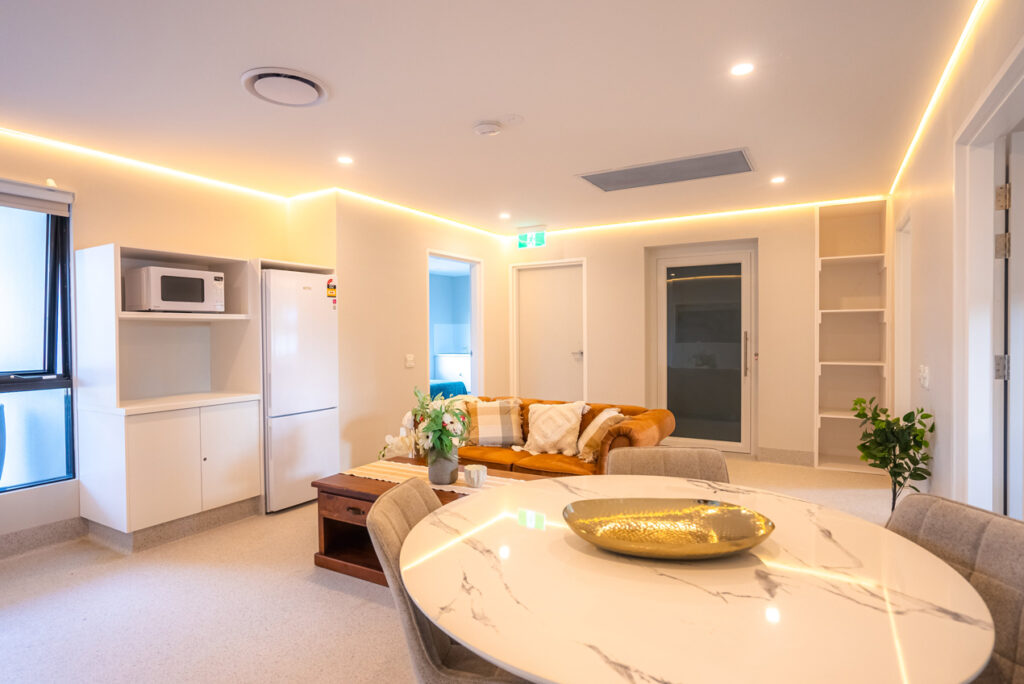
Specialist Disability Accommodation (SDA) refers to housing designed for people with extreme functional impairment or very high support needs. SDA funding covers the cost of the physical building and its specialized features—not the support services.
SDA funding covers:
- The physical home with specialized design features
- Accessible bathrooms, wider doorways, ceiling hoists
- Smart home technology like voice-controlled doors and lighting
- Structural modifications that make daily living easier
Who’s eligible? Only NDIS participants with extreme functional impairment who require specialized housing solutions. According to the NDIS, fewer than 6% of participants qualify for SDA.
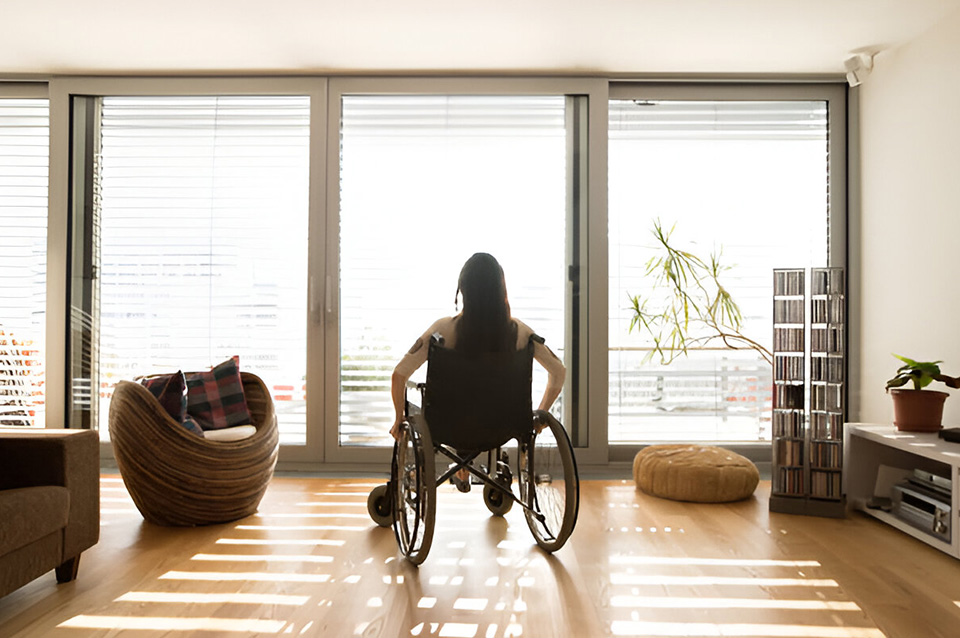
Example scenario: James has high physical support needs and uses a wheelchair. He needs a home with ceiling hoists, wider hallways, and accessible kitchen counters. SDA funding helps him live in a purpose-built home designed for his mobility requirements.
What is SIL (Supported Independent Living)?
Supported Independent Living (SIL) funds the support workers and care staff who help you with everyday tasks. SIL is about the people, not the building.
SIL funding covers:
- Personal care assistance (showering, dressing, medication)
- Meal preparation and household tasks
- Support to develop independent living skills
- Staff supervision and assistance throughout the day
Who’s eligible? NDIS participants who need help with daily activities to live as independently as possible. You don’t need specialized housing to qualify for SIL—many people receive SIL support in regular homes.
Example scenario: Sarah lives in a standard apartment but needs help with cooking, cleaning, and managing her medication. SIL funding provides support workers who visit daily to assist with these tasks.
Side-by-Side Comparison
What it is:
- SDA: Physical housing with specialized design
- SIL: Support workers and care services
What it funds:
- SDA: The building, accessible features, assistive technology
- SIL: Staff time, personal care, skill development
Who provides it:
- SDA: Property developers and housing providers
- SIL: Registered support service providers
Eligibility:
- SDA: Extreme functional impairment or very high support needs
- SIL: Needs assistance with daily living tasks
How it’s approved:
- SDA: Through SDA assessment in your NDIS plan
- SIL: Through capacity building or core supports
Cost to participant:
- SDA: Reasonable Rent Contribution (typically 25% of DSP)
- SIL: Varies based on plan and circumstances
Where you can live:
- SDA: SDA-registered properties only
- SIL: Any home—your own, family home, or shared
Can you have both?
- Both: Yes—many people with complex needs have both
Can You Have Both SDA and SIL?
Yes! Many NDIS participants have both SDA and SIL funding in their plans. In fact, if you have high physical support needs and require daily assistance, you’ll likely need both.
Here’s how they work together: Maria lives in an SDA property with High Physical Support design that includes ceiling hoists and voice-controlled technology. Her SIL funding pays for support workers who come three times daily to help with personal care, meal preparation, and medication management. The SDA provides the accessible home; the SIL provides the hands-on support.
Important: Having SDA doesn’t automatically include support services. These are funded and managed separately.
How to Know Which One You Need
Ask yourself these key questions:
You might need SDA if:
- You have extreme functional impairment requiring specialized housing design
- Standard homes don’t meet your accessibility requirements
- You need features like ceiling hoists, wider doorways, or smart home technology
- Your disability creates safety risks in conventional housing
You might need SIL if:
- You need help with personal care, meals, or household tasks
- You want to develop independent living skills with professional support
- You require staff supervision or assistance throughout the day
- You can live in a standard home but need hands-on support
You might need both if:
- You have high physical support needs requiring specialized housing
- You also need daily assistance with personal care and living tasks
- Your disability requires both environmental modifications and ongoing support
Not sure? Your support coordinator or LAC can help assess your needs and determine the right pathway.
Common Misconceptions Debunked
“SDA and SIL are the same thing” → FALSE. They’re completely separate funding types—one for the building, one for support workers.
“If I get SDA, support is included” → FALSE. SDA only covers the physical home. You need separate SIL or core supports funding for care staff.
“I have to live in a group home to get support” → FALSE. You can receive SIL support in your own home, a family home, or in shared accommodation.
“SIL is only for group homes” → FALSE. Many people receive SIL in one-bedroom apartments or private homes.
“I can’t choose my own SDA provider” → FALSE. You have choice and control. You can choose from any registered SDA provider in your area.
“SDA is just for wheelchairs users” → FALSE. SDA design categories include Improved Liveability and Robust design for various needs, not just physical disabilities.
Frequently Asked Questions
What does SDA stand for?
Specialist Disability Accommodation—housing designed for people with extreme functional impairment.
What does SIL stand for?
Supported Independent Living—funding for support workers who help with daily tasks.
Can I get SDA without SIL?
Yes! If you can manage daily tasks independently but need specialized housing features, you can have SDA without SIL.
Can I get SIL without SDA?
Absolutely. Most people with SIL live in standard homes that aren’t SDA properties.
Do I have to live with other people if I have SIL?
No. SIL can be provided in one-bedroom homes, with family, or in shared settings—your choice.
How much does SDA cost me as a participant?
You typically pay a Reasonable Rent Contribution, usually around 25% of the Disability Support Pension, plus any extra rent above the SDA payment.
Can I choose my own support workers with SIL?
Yes, you have choice and control over your support provider and can request specific workers.
What if my needs change—can I switch from SIL to SDA?
Your plan can be reviewed if your circumstances change. Talk to your planner or support coordinator about reassessment.
Is SDA the same as a group home?
Not necessarily. SDA can be apartments, townhouses, or standalone homes. Some group homes are SDA properties, but not all SDA is group living.
Can I have SIL in my family home?
Yes! Support workers can provide SIL services wherever you live, including your family’s home.
What’s OOA and how does it relate to SDA/SIL?
Onsite Overnight Assistance (OOA) is when support staff stay on the property overnight. It’s a feature some SDA properties offer and may be part of your SIL support arrangement.
Where can I find SDA properties in Western Sydney?
Contact registered SDA providers in your area. Sunrise SDA offers properties in Lalor Park and Greater Western Sydney with advanced assistive technology.
Making Your Decision
Understanding the difference between SDA and SIL empowers you to advocate for the right supports in your NDIS plan. Remember:
- Talk to your support coordinator about assessment options
- Visit different SDA properties and meet SIL providers
- Consider your long-term independence goals
- Don’t rush—take time to find the right fit
Both SDA and SIL play vital roles in supporting NDIS participants to live their best lives. Whether you need specialized housing, support services, or both, understanding these options helps you build a plan that truly meets your needs.
Ready to explore modern SDA options in Greater Western Sydney? Sunrise SDA specializes in high-quality, technology-enabled homes for NDIS participants with high-care needs. Our properties feature voice-controlled systems, ceiling hoists, and design features across all four SDA categories. Call 1300 71 06 71 or visit sunriseda.org/contact/ to learn more about our properties in Gardenia Grove and Northcott Road.