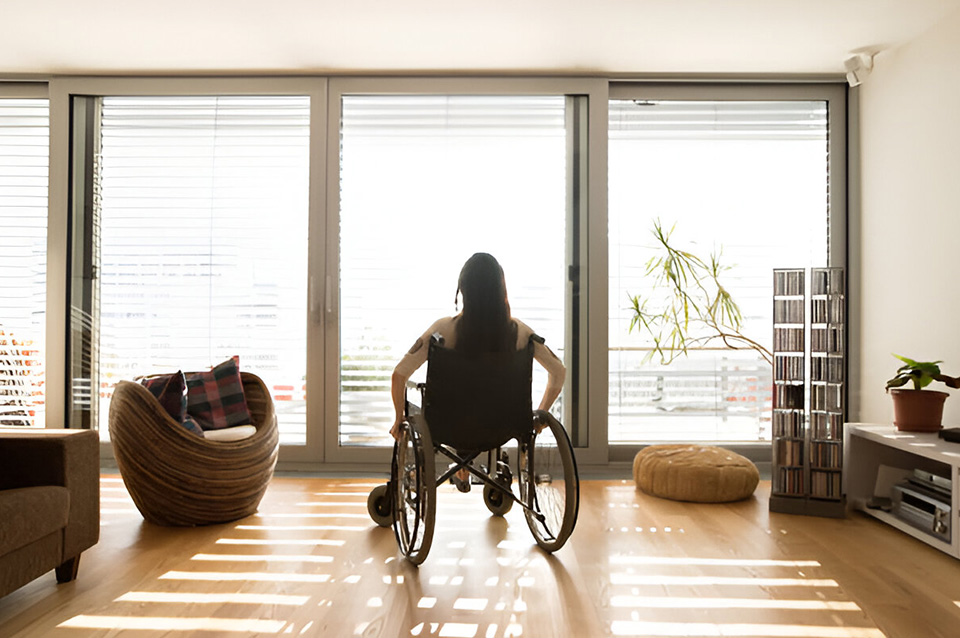
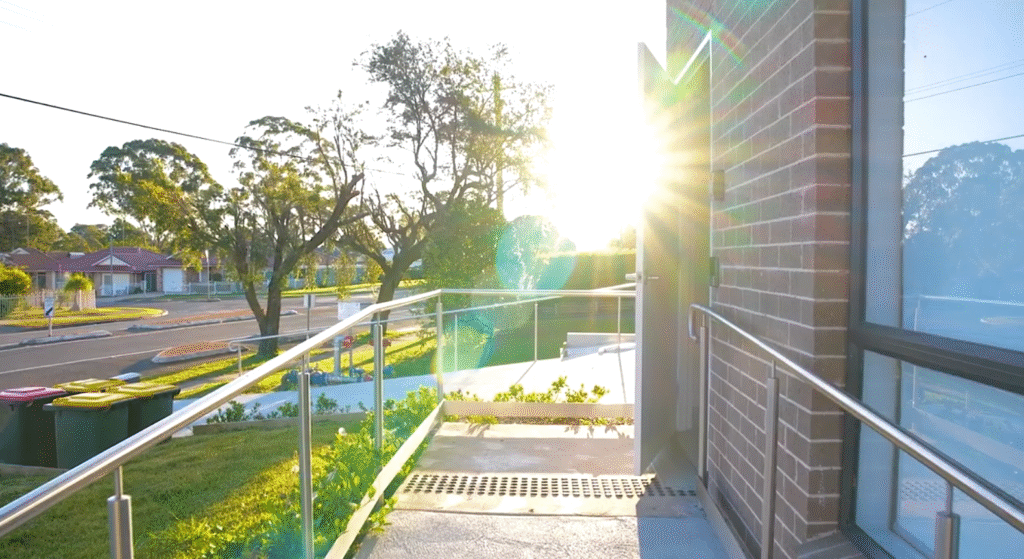
Deciding to move from the family home to SDA accommodation is one of the biggest decisions an NDIS participant and their family will make. It’s a journey filled with mixed emotions: excitement about newfound independence, anxiety about change, and for families, deep concern about their loved one’s wellbeing. Many families in Greater Western Sydney are navigating this significant transition right now, weighing the benefits of specialist housing against the comfort of familiar surroundings.
Transitioning to SDA housing doesn’t have to be overwhelming. With proper planning, emotional preparation, and the right support, this move becomes a transformative step toward independence whilst maintaining strong family connections. Whether you’re in Blacktown, Parramatta, Lalor Park, or surrounding Western Sydney suburbs, this comprehensive guide will walk you through every stage of the journey—from recognizing when it’s time, through the practical planning process, to settling into your new home.
By the end of this guide, you’ll have a clear roadmap for the transition, understand the emotional landscape for both participants and families, and feel more confident about this life-changing decision. This isn’t just about changing addresses; it’s about creating a foundation for independent living whilst keeping your support network close.
Recognising When It’s Time to Consider SDA
Signs for NDIS Participants
For many NDIS participants, the desire for greater independence grows naturally over time. You might be ready to explore SDA housing if you’re experiencing any of these signs:
Independence and autonomy: You want more control over your daily life, from choosing when to eat meals to deciding your own schedule. The desire to make your own decisions about your space, routines, and lifestyle becomes increasingly important.
Accessibility challenges: Your current family home doesn’t meet your accessibility needs, even with modifications. Perhaps you need ceiling hoists, wider doorways, specialised bathroom equipment, or smart home technology that’s difficult to retrofit into the existing property.
Life skills development: You’re ready to develop independent living skills in your own space. Cooking, managing a household, making decisions about your environment, and building confidence in daily tasks are all easier when you have your own home designed for your needs.
Social connections: You’re seeking opportunities to build friendships and community connections with peers. SDA group homes in NSW offer chances to develop meaningful relationships whilst maintaining privacy and independence.
Specialised features: You need specific features that SDA properties provide as standard, such as voice-controlled doors, automated lighting, emergency response systems, and assistive technology. Smart home technology in NDIS accommodation can dramatically increase independence for people with high support needs.
Ready for change: The family home feels restrictive, or you’re simply ready for the next chapter of your life. This desire for growth and independence is natural and healthy.
Signs for Families
Family members, especially parents, often recognise the need for SDA housing through different indicators:
Long-term planning: Ageing parents are concerned about ensuring their loved one has secure, appropriate housing for the future. The question “What happens when we can’t provide care?” becomes increasingly pressing.
Physical limitations: The family home requires significant modifications that aren’t practical or cost-effective. Sometimes, despite best efforts, the existing property simply cannot be adapted to meet changing support needs.
Sustainability concerns: Your family member’s support needs exceed what you can sustainably provide whilst maintaining your own health and wellbeing. Recognising this isn’t a failure—it’s responsible planning.
Household dynamics: Sibling dynamics, extended family changes, or other household factors affect the participant’s living situation. Sometimes family circumstances shift in ways that make SDA housing the best option for everyone.
Participant readiness: Most importantly, you recognise that your family member is ready for greater independence and deserves the opportunity to thrive in their own space.
Important Mindset Shifts
Understanding what this transition truly means helps both participants and families approach it positively:
This isn’t about “sending someone away”: Moving to SDA housing is about enabling independence, not distancing yourself from your loved one. It’s a step forward, not an ending.
SDA provides support whilst maximising autonomy: Specialist disability accommodation offers the right level of assistance whilst encouraging and supporting independent living skills.
Families remain deeply involved: Your role shifts from primary carer to supportive family member. This often strengthens relationships by reducing care burden and allowing you to focus on quality time together.
It’s positive growth: This transition represents an exciting new chapter, personal growth, and expanded possibilities for the participant.
Western Sydney Context
Many families in Lalor Park, Blacktown, Parramatta, and surrounding Western Sydney suburbs are making this transition. The region offers excellent SDA housing options in Lalor Park and Greater Western Sydney close to family homes, allowing frequent visits and maintained connections whilst providing participants with independence in modern, accessible properties.
Choosing local SDA accommodation in Western Sydney means participants can continue attending familiar day programmes, maintain medical relationships, stay connected to community activities, and have family visit easily—often within 10-15 minutes’ drive.
There’s no “perfect” time for this transition, but when both participant and family recognise the benefits outweigh the challenges, it’s worth exploring your options.
The Emotional Journey: Preparing Participant & Family
For NDIS Participants
Common emotions you might experience:
The decision to move can bring up complicated feelings. Excitement about independence and new possibilities often mixes with anxiety about change and leaving familiar surroundings. You might worry about making friends or getting along with housemates in a group home setting. Concerns about managing daily tasks independently are natural, as is fear of the unknown.
All of these feelings are completely normal and valid. Acknowledging them is the first step to working through them.
Emotional preparation strategies:
Visit multiple SDA properties: Familiarity reduces anxiety significantly. The more you visit potential homes, the more comfortable you’ll feel. Take your time, ask questions, and imagine yourself living in each space.
Talk to current SDA residents: Hearing real experiences from people who’ve made this transition can be incredibly reassuring. Many SDA providers can connect you with current residents willing to share their stories.
Gradual transition approach: Consider respite stays at your potential SDA property before making a permanent move. Spending a few nights or a week in the environment helps you adjust gradually whilst still having the family home to return to.
Maintain routines: Plan to continue valued activities, hobbies, and connections after moving. Your weekly activities, friendships, and interests don’t have to change just because your address does.
Focus on the gains: Your own bedroom that you can decorate how you like. Voice-controlled smart lights and doors. The freedom to choose your daily routine. These are real, meaningful benefits that enhance quality of life.
Keep family close: Moving to SDA housing doesn’t mean losing family connection. Most participants see their families just as much—sometimes more—because visits become about quality time rather than care tasks.
“I was nervous about leaving Mum and Dad’s place, but having my own room with smart lights I can control myself made me feel so grown up. And they visit every week—sometimes more! We actually spend more time talking and enjoying each other’s company now.” — Current SDA resident
For Families (Especially Parents)
Common emotions families experience:
Parents and family members often feel grief and a sense of loss, even when they know this transition is the right decision. Worry about the participant’s safety and wellbeing is natural. Many families struggle with guilt about “not caring for them at home,” alongside anxiety about the quality of care and support their loved one will receive.
There’s often fear that the participant will feel abandoned, combined with relief (which itself may cause additional guilt). Here’s something crucial to understand: feeling relief doesn’t make you a bad parent or family member. It makes you human.
Family support strategies:
Acknowledge mixed feelings are normal: Grief and relief can coexist. Sadness about change can happen alongside happiness about your loved one’s growing independence. These contradictory emotions don’t cancel each other out—they’re all real and valid.
Stay actively involved: This transition doesn’t mean stepping back from your loved one’s life. You’re not losing your role; you’re transforming it from primary carer to supportive family member.
Regular visits and contact: Establish a routine for visits, phone calls, and video chats. Many families find that having a predictable schedule (like Sunday dinners or Wednesday evening calls) helps everyone adjust.
Build relationships with support staff: Support workers and property managers are your partners in ensuring your loved one thrives. Open communication creates a collaborative team focused on the participant’s wellbeing.
Focus on the participant’s growth: Celebrate independence milestones, new skills learned, friendships formed, and increased confidence. These positive changes validate that the transition was the right choice.
Connect with other families: Sharing experiences with other families who’ve made this transition can be incredibly supportive. You’re not alone in this journey.
Consider professional support: Many families benefit from counselling during major transitions. The NDIS may fund capacity-building supports for families, and support coordinators can recommend family support services.
Western Sydney Support Networks
The Greater Western Sydney region has strong support networks for families navigating this transition. Local NDIS community groups in Blacktown and Parramatta areas, family support organisations throughout Western Sydney, and connections with other families who’ve made the transition locally all provide valuable emotional and practical support during this time.
Key message: Emotions are valid on all sides. Taking time to process feelings whilst moving forward with practical planning creates the healthiest transitions. This journey is significant, and it’s okay to feel the full range of emotions it brings.
🤝 We Understand This Journey
Sunrise SDA has supported many Western Sydney families through the transition to SDA housing. We know the emotional and practical challenges, and we’re here to help.
Schedule an obligation-free consultation to discuss your transition timeline and concerns.
📞 Call 1300 71 06 71
✉️ info@sunriseda.com.au
The Planning Timeline: 6-12 Months Before Move
Successful transitions rarely happen overnight. Starting your planning 6-12 months before your intended move date allows time for thoughtful decision-making, proper preparation, and emotional adjustment for everyone involved.
12 Months Before (If Possible)
Confirm SDA eligibility and funding:
The first critical step is ensuring SDA funding is included in your NDIS plan. If it’s not currently approved, you’ll need to begin the assessment process with an occupational therapist and submit an application to the NDIS. Understanding what is SDA housing and who qualifies is essential before proceeding.
Confirm your funding amount and which SDA design category (Improved Liveability, Fully Accessible, Robust, or High Physical Support) matches your needs. Our comprehensive guide on how to get NDIS SDA funding approved walks you through the step-by-step process for high-care participants.
Begin your property search:
Start identifying preferred locations. For many Western Sydney families, staying near Blacktown, Parramatta, Lalor Park, or surrounding suburbs maintains important community connections whilst providing access to specialist accommodation.
Consider which design category you need based on your support requirements. Decide whether you prefer a solo dwelling (your own apartment or house) or a group home setting where you’d share common spaces with housemates.
Register your interest with SDA providers in your preferred areas. Many quality properties have waiting lists, so early registration improves your options.
For families prioritising staying in familiar Western Sydney areas, Lalor Park properties keep participants close to Blacktown and Parramatta services whilst providing modern, accessible housing with integrated smart home technology.
Visit properties:
Schedule tours at multiple SDA options. Bring the participant, family members, and your support coordinator to these inspections. Each person will notice different aspects of the properties.
Use our detailed SDA property inspection checklist to evaluate suitability systematically. This ensures you don’t overlook important features in the excitement of viewing properties.
If possible, meet current residents, especially in group home settings. Their lived experience provides invaluable insight into daily life in the property.
6-9 Months Before
Select your SDA property:
After viewing multiple options, make your decision on the preferred property. Submit your application to the SDA provider and complete any required assessments or interviews.
Discuss the move-in timeline with the provider. Some properties are available immediately, whilst others may require construction completion or current tenant transitions.
Confirm all lease terms and conditions, ensuring you understand your rights and responsibilities as well as what the SDA provider will manage.
Plan support services:
If you need Supported Independent Living (SIL) services, now is the time to arrange these. Understanding the difference between SDA and SIL helps ensure you have appropriate support in your new home.
Coordinate with support providers for post-move services. Make sure support hours are adequate for the transition period, which often requires more intensive assistance initially.
Plan for Onsite Overnight Assistance (OOA) if required. Having overnight support available can ease anxiety for both participants and families during the early transition period.
Prepare the participant:
Regular visits to your future SDA property help build familiarity and excitement. The more time you spend in the space before moving, the more comfortable you’ll feel when move-in day arrives.
Practice independent living skills at home. Work on tasks you’ll be doing independently in your SDA property, building confidence before the actual move.
If the property allows respite stays, consider spending a few nights there before your permanent move. This gradual approach significantly reduces anxiety.
Create a visual schedule or storybook about the move, especially helpful for participants who benefit from visual supports. Photograph your new home to look at and familiarise yourself with between visits.
3-6 Months Before
Practical preparations:
Start inventorying what you’ll bring to your SDA home versus what will stay at the family home. Your bedroom furniture, personal items, meaningful belongings, and comfort objects should definitely come with you.
Plan your bedroom setup and how you’ll personalise your space. Thinking about where your favourite items will go helps the new place feel like home from day one.
Purchase any needed furniture, bedding, kitchen items, or personal care products. Having everything ready before move-in day reduces stress.
Organise important documents—medical records, NDIS paperwork, identification, emergency contacts, and medication lists should all be gathered and easily accessible.
Update all emergency contacts and medical information to reflect your upcoming address change.
Build your transition team:
Your transition team should include your support coordinator, an occupational therapist (if needed for setup recommendations), the SDA provider’s property manager, support workers who’ll provide ongoing assistance, involved family members, and any relevant therapists or health professionals.
Having everyone coordinated and communicating ensures a smooth transition with no gaps in support.
Western Sydney Specific Considerations
Transport planning: Confirm bus routes, accessible taxi services, and community transport options in your Western Sydney location. Knowing how you’ll get to familiar places independently builds confidence.
Local connections: Identify shops, medical centres, cafés, parks, and community facilities near your Lalor Park, Blacktown, or Parramatta property. Familiarity with your neighbourhood reduces anxiety about the move.
Community groups: Connect with local disability community groups, social clubs, and activity programmes in your area before moving. Having social connections ready to go makes settling in much easier.
1-3 Months Before
Finalise details:
Confirm your exact move-in date with the SDA provider. Organise a removalist or moving support—some NDIS participants can access funding for moving assistance.
Pack belongings systematically, labelling boxes clearly for each room. Create a “first night essentials” box with everything you’ll need immediately: toiletries, medications, phone charger, comfortable clothes, snacks, and any comfort items.
Plan your first week’s meals and how you’ll manage groceries initially. Having a clear food plan reduces one source of stress during the transition.
Continue emotional preparation:
Discuss expectations and daily routines with support workers. Understanding what your typical day will look like helps reduce uncertainty.
Address any emerging concerns or questions honestly. It’s normal to have worries pop up as moving day approaches.
Celebrate this upcoming independence milestone! This is a significant achievement worth acknowledging positively.
If desired, create a goodbye ritual for the family home. Some families find it helpful to mark the transition ceremonially.
Plan your first family visit to your new SDA home. Having something to look forward to helps both participants and families.
🏠 Start Your Transition Planning
Visit our Lalor Park properties and see what modern SDA housing looks like. Many families find that seeing the quality, accessibility, and technology features helps everyone feel more confident about the transition.
Book a property tour:
📞 1300 71 06 71
🏠 1 Gardenia Grove, Lalor Park, NSW 2147
Moving Day & First Week: Practical Tips
Moving Day Strategy
Before arrival:
Confirm with your SDA provider that the property is completely ready—cleaned, utilities connected, and any requested modifications completed. Have support workers available from the start to assist with the physical move and settling-in process.
Pack comfort items separately for immediate access. Your familiar bedding, favourite photos, meaningful personal objects, and other comforting things should be the first items you unpack.
During the move:
Keep the atmosphere calm and positive, even though emotions will likely be running high. This is an exciting day, not a sad one, and maintaining that energy helps everyone.
Let the participant direct where items go in their room. Having control over your own space from the very beginning is empowering and helps the room feel like yours.
Don’t rush the process. Take time to settle items properly, find the right place for everything, and make the space feel comfortable.
Family members should stay involved and supportive whilst being mindful not to overwhelm. Too many people giving directions can be stressful.
Support workers should be present to help with accessibility needs, operating equipment, and providing reassurance.
First day setup priorities:
Bedroom first: Create a familiar, comfortable personal space before worrying about any other room. Your bedroom should feel like a sanctuary from day one.
Bathroom essentials: Ensure toiletries, medications, and personal care items are accessible and organised exactly where you need them.
Technology setup: Set up phones, devices, computers, and entertainment systems. Getting your technology working immediately helps maintain connections and routines.
Emergency systems: Test all emergency call buttons, understand how every safety system works, and ensure support workers know how to respond. Peace of mind about safety is crucial.
Food and kitchen: Stock basic groceries and plan the first meal. Having favourite foods available provides comfort during change.
Technology Orientation (Especially in Sunrise Properties)
Modern SDA properties, particularly those with integrated smart home technology, require some orientation. Take time on moving day to learn:
Voice commands: Practice controlling doors, lights, blinds, and temperature using voice commands. “Alexa, open the front door” or “Turn on bedroom lights” should become natural quickly.
Smart home preferences: Programme your preferred temperature settings, lighting levels, and automation schedules. The technology should work for you, customised to your preferences.
Emergency call systems: Test all emergency buttons and know exactly how to activate help if needed.
Video intercom: Learn how to see who’s at the door and communicate with visitors using the intercom system.
At our Gardenia Grove property in Lalor Park, we spend moving day teaching residents these voice commands and smart home features. This immediate technology independence sets a positive tone for the entire transition—participants feel capable and empowered from day one.
First Week Recommendations
For participants:
Maintain routines: Keep your familiar activities, schedules, and habits as much as possible. Continuing valued routines provides stability during change.
Family contact: Daily or frequent contact with family in the first week is completely normal and healthy. This might be phone calls, video chats, or short visits.
Support worker presence: Having support workers present more frequently during the first week provides extra reassurance and practical help as you learn your new routines.
Explore the neighbourhood: Take walks around your area with support if needed. Find the local shops, parks, and familiar places. Knowing your neighbourhood builds confidence.
Be patient with yourself: Adjustment takes time. Some days will feel easier than others, and that’s completely normal.
Communicate feelings: Share what’s working well and what’s challenging with your support team and family. Open communication allows for helpful adjustments.
For families:
Daily check-ins: Phone calls or video chats daily in the first week help everyone adjust. Hearing each other’s voices provides reassurance.
Frequent short visits: Many short visits often work better than fewer long ones initially. Popping by for an hour several times creates connection without overwhelming.
Bring familiar comforts: Bringing favourite foods, cooking a meal together, or bringing small items from home creates continuity.
Celebrate small wins: Acknowledge every positive step—sleeping well in the new bed, successfully using smart technology independently, settling into the new routine.
Trust the process: Some regression or difficulty is completely normal during major transitions. Don’t panic if there are challenging moments.
Communicate with support staff: Partner with support workers, sharing insights about your loved one’s preferences, needs, and patterns. You’re a team working together.
Red Flags vs. Normal Adjustment
Red flags to watch for:
- Severe ongoing distress that doesn’t improve over several days
- Not eating or sleeping properly
- Complete withdrawal from all activities and people
- Constantly requesting to return to family home with genuine distress
- Support needs clearly not being met
If you notice these signs, communicate immediately with the SDA provider and support coordinator to address concerns.
Normal adjustment signs:
- Occasional homesickness or missing family
- Uncertainty about new routines and where things are
- Missing family whilst also enjoying independence
- Taking time to feel completely comfortable in the new environment
- Some anxiety or nervousness, balanced with excitement
These are all normal parts of adjusting to significant change and usually improve steadily over the first few weeks.
Western Sydney Support
Connecting with your local Western Sydney community helps with settling in. Find familiar places—your nearest Westfield shopping centre, local libraries, community centres, and parks. Maintaining connections with family neighbourhoods whilst exploring your new area creates continuity.
Many Western Sydney families arrange regular transport between the SDA property and family home in the early weeks, gradually reducing frequency as everyone adjusts.
Settling In: First Month to Six Months
First Month
Building independence:
During the first month, focus on establishing daily routines with your support workers. Learn when meals happen, what your typical day looks like, and develop comfortable patterns.
Practice using all smart home features until they become second nature. Voice-controlled doors, automated lighting, temperature controls, and emergency systems should all feel natural and easy.
Learn your local area thoroughly—where the shops are, how to access transport, where medical facilities are located. Familiarity with your neighbourhood builds confidence for independent activities.
Participate in household tasks within your abilities. Contributing to your home, whether it’s helping with meal preparation, managing your laundry, or other tasks, builds ownership and life skills.
In group home settings, this is when you’ll start making your first friendships with housemates, finding common interests and building relationships.
Family involvement:
During the first month, transition gradually from daily visits to every few days. This progressive reduction helps everyone adjust to the new normal without feeling abandoned.
Maintain phone or video calls between visits. Quick check-ins keep connection strong whilst respecting everyone’s developing independence.
Plan family outings from your SDA home—going to familiar restaurants, parks, or activities together maintains traditions whilst treating your SDA property as the home base it now is.
If you’re in a group home setting, attend household meetings. This shows your ongoing interest and allows you to stay informed about your loved one’s life.
Maintain important traditions like Sunday dinners or special occasion celebrations. Continuing valued family rituals provides continuity.
Practical adjustments:
Fine-tune support hours if needed. The first month reveals whether the planned support level is appropriate or needs adjustment.
Adjust smart home settings to your personal preferences. This is your home—it should work exactly how you like it.
Identify any equipment or modification needs that weren’t apparent before moving in. Small adjustments can significantly improve daily life.
Establish good rapport with support workers. Building positive relationships with the team supporting you creates a comfortable home environment.
Learn how to contact property management for any issues or requests. Understanding these communication channels ensures problems get resolved quickly.
2-3 Months
Growing confidence:
By the second and third months, you’ll likely feel much more independent in daily tasks. What felt new and challenging initially becomes comfortable routine.
You’ll be genuinely comfortable with all technology and accessibility features, using them without thinking twice.
In group homes, friendships and housemate relationships are established. You know each other’s habits, preferences, and personalities.
Your routine feels natural rather than new. You’ve settled into your own rhythm and patterns.
Family visits have settled into a sustainable, predictable pattern that works for everyone.
Community integration:
This is an excellent time to start attending local activities, programmes, and events. Western Sydney has numerous disability-inclusive community programmes, social groups, and recreational activities.
Learn to use community transport independently or familiarise yourself with local bus routes with support worker assistance.
Visit familiar places independently (with whatever level of support you need). Regular outings to favourite locations build confidence and community connection.
Develop weekly routines and social activities. Having regular commitments and social engagements creates structure and purpose.
Residents in our Lalor Park properties often visit Blacktown Westfield for shopping and socialising, participate in local disability sports programmes, attend community events at Blacktown Arts Centre, and engage with Western Sydney community activities. The region offers excellent opportunities for social connection and community participation.
Celebrate milestones:
Mark important achievements: your one-week anniversary in your new home, your first successful night alone (if applicable), your first independent activity in the community, your first friend made in your new environment, and your first family dinner you hosted at your SDA home.
Celebrating these milestones reinforces how far you’ve come and builds positive associations with your independence journey.
4-6 Months
Fully settled:
By six months, your SDA property truly feels like home. It’s no longer “the new place”—it’s simply where you live, and you can’t imagine being anywhere else.
You’re confident using all features and technology without even thinking about it. Smart home controls, accessibility equipment, and daily systems are all second nature.
You have strong, positive relationships with your support workers. They know your preferences, you trust them, and you work together as a team.
Established community connections provide social fulfilment. You have regular activities, friendships, and community involvement.
Family relationships have adjusted to the new normal. Everyone understands their roles, and connections feel strong even though they look different than before.
Most importantly, you’re demonstrating real growth and independence. You’re doing things you couldn’t do before, building skills, and thriving in your environment.
Planning ahead:
As you approach NDIS plan review time, start preparing. Document your growth, any changing needs, and support adjustments required.
Consider whether any home modifications might enhance your independence further. Your occupational therapist can assess and recommend changes.
Think about your future goals and activities. What do you want to learn, experience, or achieve next?
Signs of successful transition:
You can measure success by several indicators: The participant expresses genuine happiness living in their SDA home, demonstrates growing independence in daily tasks, has developed meaningful social connections, family members report significantly reduced stress, the participant has no desire to “go back” to the family home, and quality of life is measurably improved across multiple areas.
If you’re seeing these signs, celebrate! Your transition has been successful, and you’ve achieved something genuinely significant.
Maintaining Family Connections After Transition
Redefining Relationships
The transition to SDA housing fundamentally changes family relationships—usually for the better. Understanding this shift helps everyone adapt positively.
Before the transition: Parents or family members were managing daily care needs, personal care tasks, medical appointments, household management, and support coordination. The relationship often revolved around caregiving responsibilities.
After the transition: Family members become supporters of independence rather than primary carers. The shift moves from “doing for” to “doing with”—participating in activities together rather than managing care tasks.
This transformation often means less caregiving burden, which translates to more quality time together. Relationships frequently deepen when they’re not strained by the constant demands of care. You can focus on enjoying each other’s company, shared interests, and meaningful connection.
Sustainable Family Involvement
Regular contact patterns:
Establish a routine that works for your family: weekly family dinners (either at the SDA home or family home), daily or every-other-day phone calls for quick check-ins, video calls when in-person visits aren’t possible, sharing photos and updates about daily life, and celebrating special occasions together.
Consistency matters more than frequency. Having predictable connection points helps everyone stay close.
Quality time activities:
Plan enjoyable activities together: outings from the SDA home to shops, movies, restaurants, or parks; family members joining the participant at community activities or programmes; holidays and vacations together (participants can absolutely travel with family); occasional overnight stays at the family home if desired; shared hobbies and interests you both enjoy.
These activities focus on relationship and enjoyment rather than care tasks, which strengthens bonds.
Practical support when needed:
Families often continue providing certain types of support: help with medical appointments or specialist visits; assistance during NDIS plan reviews; backup emergency contact availability; support with major life decisions; advocacy when needed to ensure rights are respected.
This support is meaningful whilst still respecting the participant’s independence.
Boundaries that help everyone:
Healthy boundaries create better relationships for both participants and families:
- The SDA home is the participant’s space—ask before visiting rather than dropping by unannounced
- Support the participant’s independent choices even when you might choose differently
- Communicate through proper channels about support needs rather than trying to direct care yourself
- Trust support workers as partners who care about your loved one’s wellbeing
- Let the participant lead their own life whilst being available when needed
These boundaries aren’t about distance—they’re about respect and healthy independence.
Western Sydney Advantage for Family Connection
One significant benefit of choosing SDA accommodation in Western Sydney near family homes is maintaining close physical connections whilst gaining independence. Our Lalor Park residents often have family living in Blacktown, Parramatta, Mount Druitt, Penrith, or nearby suburbs—typically just 10-15 minutes away.
This proximity allows frequent visits without creating dependence. Family can easily pop by for dinner, participants can visit family homes for special occasions, and the geographical closeness provides peace of mind for everyone. It’s the perfect balance of independence and connection.
Key message: Moving to SDA housing doesn’t weaken family bonds—it often strengthens them by removing care burden and allowing relationships to focus on love, shared experiences, and genuine connection rather than just support needs.
Choosing the Right SDA Property for Successful Transition
Location Considerations for Easier Transition
Proximity to family:
Choose accommodation within reasonable visiting distance from family. Being too far away makes maintaining close connections difficult, whilst being extremely close might hinder independence. Most families find 10-30 minutes’ driving distance ideal.
Select a familiar neighbourhood and area where possible. Knowing the general region reduces anxiety and helps maintain community connections.
Look for properties near family members’ regular routes and activities. If family passes your area during normal routines, spontaneous visits become easier.
For Western Sydney families, many choose Lalor Park specifically because it’s central to Blacktown, Parramatta, and Penrith. This positioning allows family to stay closely connected whilst the participant gains independence in quality, accessible housing.
Community familiarity:
Prioritise locations near current community connections—social groups, day programmes, employment, or volunteer activities. Continuing valued activities provides continuity during major change.
Access to known medical facilities and specialists matters significantly. Maintaining relationships with trusted healthcare providers reduces stress during transitions.
Choose areas with familiar shops, cafés, recreational spaces, and community facilities. Being able to visit places you already know creates comfort.
Select properties that allow you to continue valued routines and activities without major disruption.
Transport access:
Consider public transport routes the participant already knows or can learn easily. Familiar bus routes build confidence for independent community access.
Ensure easy family access by car for visits. Difficult parking or complex routes to reach the property create barriers to connection.
Check community transport availability in the area. Many NDIS participants rely on community transport services for activities and appointments.
Look for safe walking areas if the participant enjoys walking. Accessible footpaths, pedestrian crossings, and safe neighbourhoods encourage independent mobility.
Features That Support Transition
Physical environment characteristics:
Bedroom size: Ensure the bedroom can accommodate familiar furniture and belongings. Having your favourite items from home makes the new space feel like yours immediately.
Personalisation space: Look for properties that allow you to decorate, arrange, and personalise your space. The ability to make your room truly yours supports emotional adjustment.
Accessibility features: Match the property’s features precisely to your needs—whether that’s ceiling hoists, wide doorways, accessible bathrooms, or mobility-friendly layouts.
Smart home technology: Voice-controlled doors, automated lighting, smart temperature control, and other assistive technology significantly increase independence from day one.
Emergency systems: Comprehensive emergency call buttons, monitoring systems, and quick-response protocols provide peace of mind for both participants and families.
Social environment factors:
Compatible housemates: In group home settings, compatibility with potential housemates dramatically affects your experience. Meet housemates before deciding if possible.
Supportive, experienced staff: Support workers who understand transitions, communicate well, and genuinely care about residents make an enormous difference.
Welcoming atmosphere: The property should feel like a home, not an institution. Warm, inviting spaces support emotional wellbeing.
Family inclusion: Choose providers who welcome family involvement, accommodate visitors comfortably, and understand the importance of family connections.
Provider support factors:
Transition experience: Providers who have successfully supported many transitions understand the emotional and practical challenges involved.
Flexible settling-in approach: Look for providers willing to adjust support levels, routines, and approaches during the early transition period.
Strong communication: Providers who communicate proactively with families, respond quickly to concerns, and maintain open dialogue create confidence.
Willingness to adapt: The best providers adjust support and approaches based on individual needs rather than rigid policies.
Sunrise SDA Transition Support
At Sunrise SDA, we understand that transitioning to SDA housing is about much more than just finding a property. Our transition support includes:
Obligation-free property tours: Visit our Lalor Park properties without pressure or commitment. Take your time, ask questions, and see if it feels right.
Gradual introduction: We support gradual familiarity with the property through multiple visits before any decision is made.
Technology training: We provide comprehensive training for both participants and families on our smart home systems, ensuring everyone feels confident with the technology.
Experienced transition support: Our team has supported numerous successful transitions. We understand the emotional journey and practical challenges involved.
Open communication: We maintain transparent, proactive communication with families throughout the entire process and beyond.
Our properties—Gardenia Grove and Northcott Road in Lalor Park—are specifically designed with transitions in mind. The integrated smart home technology, accessible design, and welcoming atmosphere all support participants in feeling confident and independent from day one.
Explore SDA housing options in Lalor Park and Greater Western Sydney to understand what’s available in your area. Use our complete SDA property inspection checklist when visiting any SDA property to ensure you evaluate all important factors systematically.
Conclusion
Transitioning from the family home to SDA housing represents one of the most significant decisions and transformative experiences an NDIS participant and their family will navigate together. It’s a journey that encompasses practical planning, emotional preparation, and ultimately, tremendous growth for everyone involved.
With proper planning beginning 6-12 months ahead, thoughtful emotional preparation for both participants and families, and the right support throughout the process, this transition becomes an overwhelmingly positive step toward independence whilst maintaining strong family connections.
The timeline we’ve outlined—from early planning through the first six months of settling in—provides a roadmap, but remember that every family’s journey is unique. Some transitions happen more quickly, others need more time. Trust the process and move at the pace that feels right for your situation.
For families in Western Sydney, choosing local SDA accommodation in areas like Lalor Park, Blacktown, or Parramatta offers a distinct advantage: you can support your loved one’s independence whilst staying deeply connected through proximity to family homes, familiar community spaces, and established support networks.
Transitioning to SDA housing isn’t about distance or disconnection—it’s about creating a foundation for independent living whilst keeping your support network close. The growth, confidence, and enhanced quality of life that comes with appropriate, accessible housing in a supportive environment is genuinely transformative. For participants, it means developing life skills, building confidence, and experiencing the autonomy that comes with having your own home. For families, it often means reduced care burden, strengthened relationships, and peace of mind knowing your loved one has secure, appropriate housing for their future.
This isn’t just a change of address. It’s a meaningful step toward a more independent, fulfilling future whilst maintaining the family connections that matter most.
🏡 Planning Your Transition to SDA?
Sunrise SDA supports families through every step of the transition process. Our Lalor Park properties offer:
- ✅ Modern, accessible SDA housing in familiar Western Sydney
- ✅ Smart home technology for maximum independence
- ✅ Close to family homes in Blacktown, Parramatta areas
- ✅ Experienced staff supporting successful transitions
- ✅ Obligation-free property tours and consultations
- ✅ Support for participants and families throughout
Start planning your transition:
📞 Call 1300 71 06 71
✉️ info@sunriseda.com.au
🏠 Visit: 1 Gardenia Grove, Lalor Park, NSW 2147
🌐 sunriseda.org
Let’s create a smooth, positive transition to independence.