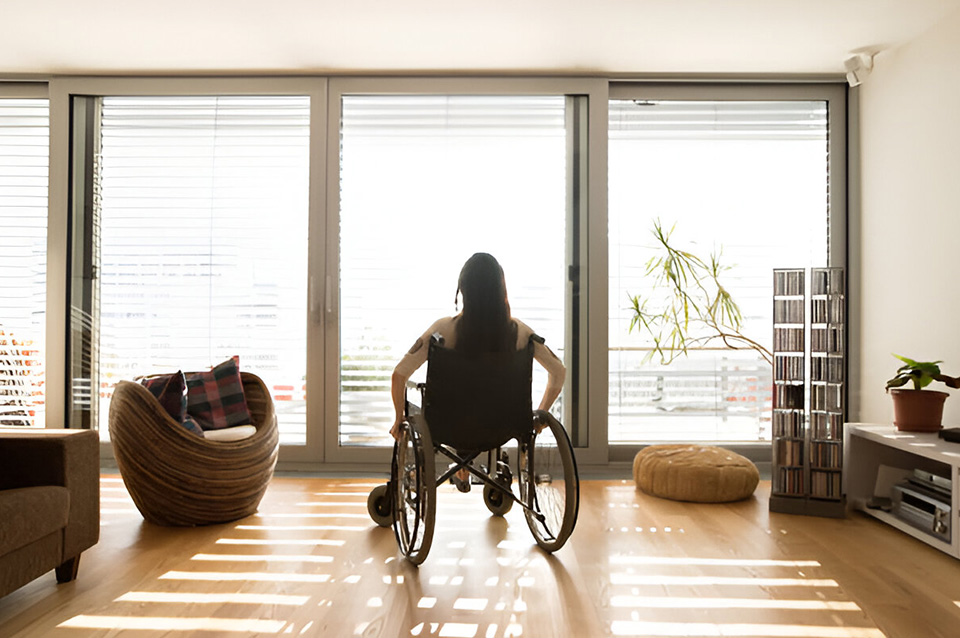

The National Disability Insurance Scheme (NDIS) offers a range of accommodation options designed to help participants live more independently, safely, and comfortably. Whether you need daily support or just a few hours of assistance each week, the NDIS provides flexible housing solutions tailored to your goals and lifestyle.
At Sunrise Disability Accommodation, we’re passionate about helping Australians with disabilities find homes that empower independence and enhance quality of life. In this article, we’ll explore all the key NDIS accommodation types, compare their features, and help you understand which option may best suit your needs.
1. What Are NDIS Accommodation Supports?
NDIS accommodation supports focus on providing a safe and suitable living environment while ensuring participants can access the right level of personal assistance.
These supports are not about paying rent or buying property; instead, they cover the services and modifications that make living independently possible. You can learn more about housing support categories on the official NDIS website.
2. The Main NDIS Accommodation Types
Below are the key types of NDIS-funded accommodation options available in Australia:
a. Specialist Disability Accommodation (SDA)
Purpose: Designed for people with very high support needs or extreme functional impairment.
Features:
- Fully accessible homes with assistive technology
- Structural modifications (e.g., ceiling hoists, wide doorways, roll-in showers)
- Built to NDIA-approved design standards (Improved Liveability, Fully Accessible, Robust, High Physical Support)
For example, our purpose-built SDA homes like Gardenia Grove and Northcott Road are designed to meet these standards and ensure safety, comfort, and independence.
Best for: Participants who need 24-hour care or specialised housing design.
Funding: Provided directly to the housing provider through the participant’s NDIS plan.
Learn more about SDA in our detailed article: Understanding SDA Housing – A Comprehensive Guide for NDIS Participants in NSW.
b. Supported Independent Living (SIL)
Purpose: Provides daily support for personal care, cooking, cleaning, and developing independent living skills.
Features:
- 24/7 or shared-hour support from trained staff
- Can be combined with SDA or other housing types
- Encourages participants to live in shared homes or group settings
Best for: Participants who can live with others but need daily support to manage life tasks.
Read how SDA and SIL work together in our article: The Role of SDA in Enhancing Independent Living for NDIS Participants.
c. Individualised Living Options (ILO)
Purpose: Flexible, person-centred housing designed around the participant’s unique goals and preferences.
Features:
- Customisable support arrangements (e.g., living with a host family or on your own)
- Focused on choice and control
- Encourages social inclusion and community engagement
Best for: Participants who want independence with tailored support instead of traditional group living.
For more guidance on setting up an ILO, see the NDIA’s official Individualised Living Options page.
d. Medium-Term Accommodation (MTA)
Purpose: Temporary housing for participants waiting for long-term arrangements (e.g., SDA completion or home modifications).
Features:
- Short-term stay (up to 90 days)
- Fully furnished and accessible properties
- Provides continuity of support during transition
Best for: Participants in between permanent housing options.
e. Short-Term Accommodation (STA), including Respite
Purpose: Short stays away from home to give both participants and carers a break.
Features:
- Accommodation, personal care, and meals included
- Fun, social environment promoting independence
- Usually funded for up to 28 days per year
Best for: Participants needing temporary support or families seeking respite care.
Learn more about our temporary accommodation options via our SDA Resources page.
f. Respite Care (as part of STA or separately)
Purpose: Offers carers a rest while ensuring participants continue receiving quality support.
Features:
- Professional, friendly staff
- Social and recreational activities
- Safe, accessible environments
Best for: Both participants and carers needing relief or a change of environment.
3. Comparison of NDIS Accommodation Types
| Accommodation Type | Purpose | Duration | Suitable For | Support Level |
|---|---|---|---|---|
| SDA | Purpose-built for high-care needs | Long-term | High physical support needs | Extensive (24/7) |
| SIL | Daily living support in shared homes | Long-term | Moderate to high needs | Medium to high |
| ILO | Tailored living options | Long-term | Independent participants | Flexible |
| MTA | Interim solution during transitions | Up to 90 days | Participants waiting for SDA/home | Moderate |
| STA/Respite | Short-term care and rest | Up to 28 days | Participants/carers | Short-term, low to medium |
4. How Sunrise Disability Accommodation Can Help
At Sunrise Disability Accommodation, we provide high-quality homes designed around your individual needs and preferences. Our dedicated team works closely with you, your family, and support coordinators to ensure you find the perfect fit—whether it’s an SDA home, an ILO arrangement, or short-term stay.
We believe that everyone deserves a safe and empowering space to call home.
✨ Your independence starts with the right accommodation—Sunrise is here to help you find it.
5. Frequently Asked Questions (FAQ)
Q1. Does NDIS pay for my rent?
No. NDIS funding covers the support you receive within your home, not everyday expenses like rent or utilities. However, SDA funding may go to your housing provider directly.
Q2. Can I combine SDA and SIL supports?
Yes, many participants live in SDA housing while receiving SIL support to manage daily tasks and personal care.
Q3. How do I know which accommodation type I qualify for?
Your NDIS planner or support coordinator will assess your needs and goals to recommend the most suitable support type.
Q4. Can I change accommodation types later?
Absolutely. Your plan can be reviewed and adjusted as your situation changes.
Q5. How can Sunrise Disability Accommodation help me?
We guide you through every step—from exploring housing options and assessments to move-in and ongoing support coordination. Visit our Contact Page to get started.
6. Glossary
- NDIS: National Disability Insurance Scheme – Australia’s government-funded program supporting people with permanent and significant disabilities.
- NDIA: National Disability Insurance Agency – The organisation managing and implementing the NDIS.
- SDA: Specialist Disability Accommodation – Purpose-built housing for participants with high needs.
- SIL: Supported Independent Living – Daily living supports within shared or independent homes.
- ILO: Individualised Living Options – Flexible housing arrangements designed around participant preferences.
- STA: Short-Term Accommodation – Temporary housing support, including respite care.
- MTA: Medium-Term Accommodation – Transitional housing while waiting for permanent arrangements.
Final Thoughts
Choosing the right accommodation is one of the most important decisions for NDIS participants. Each option offers different levels of support, independence, and community engagement.
At Sunrise Disability Accommodation, we’re committed to helping you navigate the process with clarity and confidence—so you can live life your way.
👉 Get in touch today to explore available homes or learn how we can support your journey to independent living.
📞 Call us: 1300 71 06 71
📧 Email: info@sunriseda.com.au
Explore more helpful articles on our Blog to stay informed about NDIS housing and support options.