Have you heard about SDA housing but aren’t quite sure what it is? You’re not alone. If you’re wondering “what is SDA housing?” – this is new territory for many NDIS participants and their families. Perhaps your support coordinator mentioned it, or you’ve seen it referenced in your NDIS plan, but the terminology feels unfamiliar. By the end of this article, you’ll understand exactly what SDA is, who it’s for, and how it can transform the lives of people with high support needs. This guide will break down Specialist Disability Accommodation in plain language, explaining how this specialised housing helps NDIS participants with extreme functional impairment live with greater independence, dignity, and quality of life.
SDA Housing Explained Simply
Clear, Simple Definition
What is SDA housing? SDA stands for Specialist Disability Accommodation – purpose-built or modified housing designed specifically for NDIS participants with extreme functional impairment or very high support needs. Unlike standard accessible housing, SDA includes comprehensive accessibility features, advanced assistive technology, and safety systems that enable people with significant disabilities to live as independently as possible.
SDA housing is funded through the NDIS for eligible participants and refers to the physical building or dwelling itself – not the support services you might receive while living there.
In Plain Language
Think of SDA housing as purpose-designed homes that go beyond standard accessible housing. These homes include features like:
- Voice-activated doors and lights – control your environment with simple commands
- Ceiling hoists for transfers – safely move from bed to wheelchair or bathroom
- Emergency response systems – instant connection to support networks
- Wide doorways and hallways – seamless wheelchair navigation throughout
- Accessible bathrooms with specialised equipment and roll-in showers
- Smart home technology – automated systems that respond to your needs
What Makes It Different from Regular Housing
Understanding what SDA housing is means recognising how it differs from other accommodation options:
Standard Housing:
- Basic shelter with no specialised features
- Not designed for disability accessibility
- No assistive technology included
- May have stairs, narrow doorways, inaccessible bathrooms
Accessible Housing:
- Wider doors and ramps for wheelchair access
- Level entry and some bathroom modifications
- Limited specialised features beyond basic accessibility
- May meet basic access standards but lacks advanced support systems
SDA Housing:
- Comprehensive accessibility throughout every room
- Advanced assistive technology integrated as standard
- Emergency safety systems and monitoring
- Purpose-designed for high support needs
- NDIS-funded for eligible participants
- Professional property management included
Key Point: SDA housing is about creating homes where people with significant disabilities can live with maximum independence, safety, and quality of life. It’s not just about accessibility – it’s about empowerment through thoughtful design and cutting-edge technology.
Real-World Example
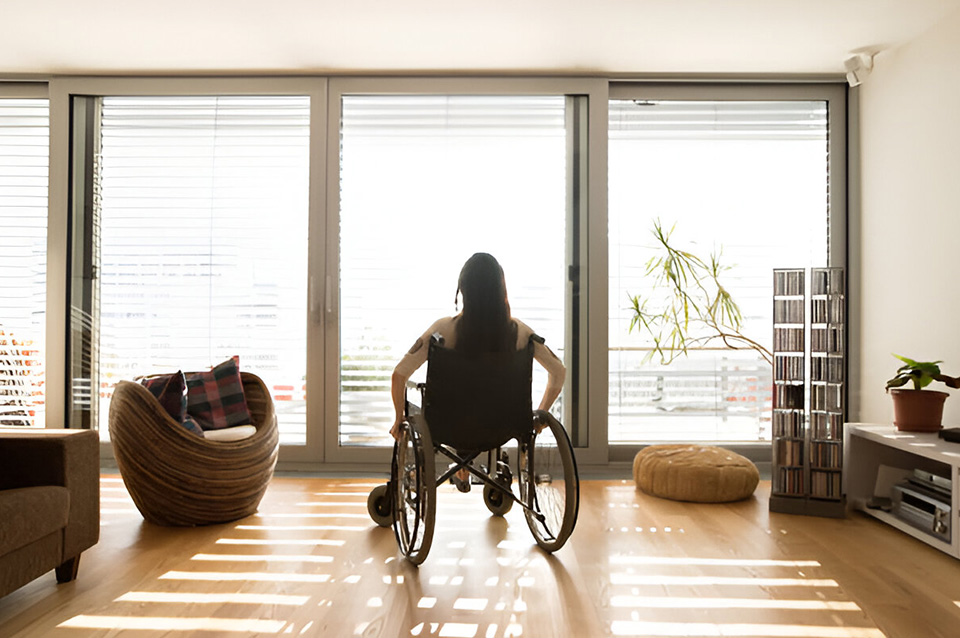
Meet Sarah, who uses a wheelchair and needs assistance with daily tasks. Her SDA home has voice-controlled doors (so she can open them independently without waiting for help), a ceiling hoist in her bedroom and bathroom for safe transfers, emergency call buttons throughout the house, and smart lighting she can control with her voice. This technology transforms her daily life, giving her independence she wouldn’t have in standard housing. Instead of waiting for someone to open a door or turn on a light, Sarah can do these things herself – maintaining her dignity and autonomy.
━━━━━━━━━━━━━━━━━━━━━━━━━━━━━━━━━
🏠 See High Physical Support SDA in Action
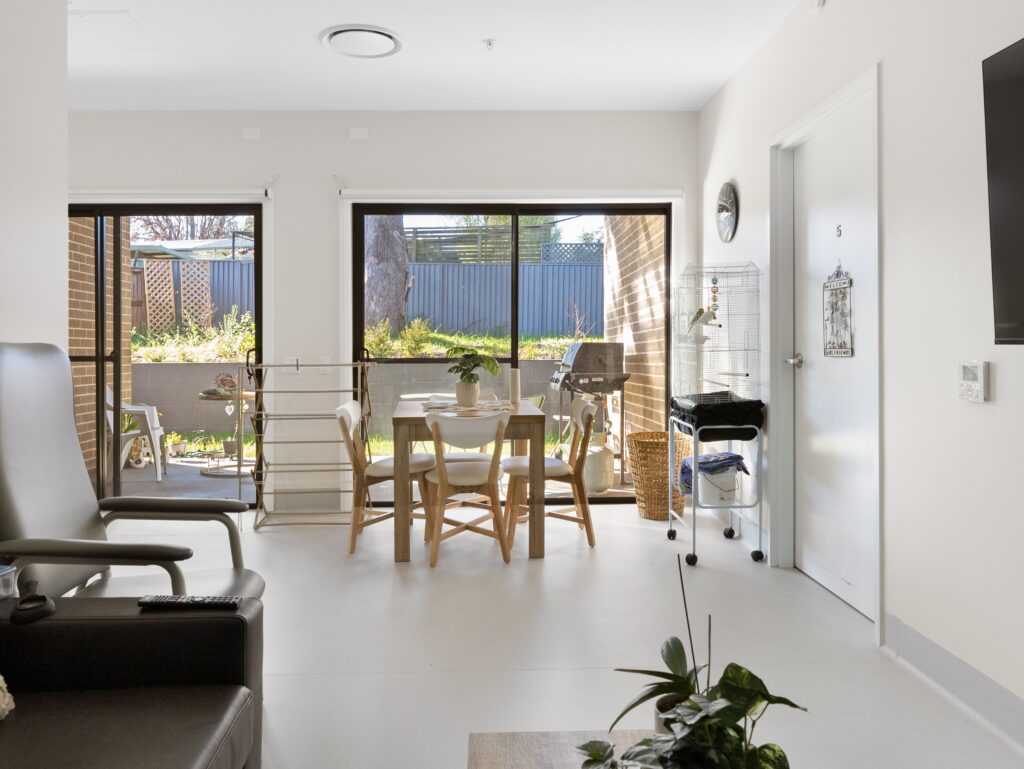
Sunrise SDA’s Northcott Road High Physical Support home showcases what modern SDA housing looks like – ceiling hoists, voice control, emergency systems, and beautiful design.
📞 Call 1300 71 06 71 to book a property tour
✉️ info@sunriseda.com.au
━━━━━━━━━━━━━━━━━━━━━━━━━━━━━━━━━
Who is SDA Housing For?
Eligibility Criteria Explained Clearly
You might be eligible for SDA housing if you:
- Are an NDIS participant with extreme functional impairment OR very high support needs
- Require specialised housing specifically due to your disability
- Would benefit from specialist design features to live as independently as possible
- Have had an assessment by an occupational therapist (OT) supporting your SDA need
- Cannot achieve reasonable living arrangements in standard accessible housing
It’s important to understand that SDA housing isn’t for everyone with a disability – it’s specifically designed for NDIS participants whose support needs are so significant that standard accessible housing wouldn’t be suitable.
What “Extreme Functional Impairment” Means
This term sounds clinical, but it’s really about how your disability impacts your daily functioning, not the disability diagnosis itself. Extreme functional impairment means:
- Significant limitations in mobility, self-care, communication, or self-management
- Daily activities require specialist housing features (not just support workers)
- Standard accessible housing doesn’t provide adequate solutions for your needs
- Assessment is individualised – your OT evaluates your specific circumstances
💡 Did You Know?
Only about 6% of NDIS participants are eligible for SDA funding. It’s specifically designed for those with the most significant housing needs due to extreme functional impairment.
Common Support Needs That May Indicate SDA Eligibility
You might need SDA housing if you have:
- Significant mobility impairments requiring ceiling hoists for all transfers
- High physical support needs for daily tasks like bathing, dressing, moving around
- Complex medical needs requiring monitoring systems and emergency response
- Behaviours that may impact standard housing – needing robust, reinforced design
- Enhanced environmental modifications beyond what standard accessible housing provides
- 24/7 support requirements where OOA (Onsite Overnight Assistance) spaces are needed
Important Clarifications
- Not all NDIS participants are eligible – approximately 94% receive support services without SDA
- SDA is for people with the most significant support needs
- Eligibility requires formal assessment and NDIS approval
- Your support coordinator and OT work with you to determine eligibility
- Having a disability alone doesn’t automatically qualify you for SDA housing
Who SDA Housing Serves
SDA housing provides homes for:
- People with significant physical disabilities requiring hoists, wide access, specialised bathrooms
- Participants with intellectual or cognitive disabilities requiring robust design and supportive layouts
- Those with sensory impairments benefiting from improved liveability features like enhanced lighting
- Individuals with complex needs requiring High Physical Support environments with comprehensive systems
Key Message: SDA housing is specifically designed for NDIS participants whose disability means they need more than standard accessible housing to live safely and independently. It’s about matching housing features to your specific support needs.
Ready to learn the step-by-step process for getting SDA funding approved? Understanding eligibility is just the first step.
The Four Types of SDA Housing
Understanding what SDA housing is also means knowing there are four “design categories” – each tailored to different support needs. Your occupational therapist helps determine which type matches your specific requirements.
1. Improved Liveability
Who it’s for: Participants with sensory, intellectual, or cognitive impairments who benefit from enhanced design features that reduce confusion and support daily functioning.
Key Features:
- Better lighting design for visual impairments
- Acoustic treatments for hearing or sensory sensitivities
- Enhanced layouts and wayfinding to reduce disorientation
- Improved ventilation and temperature control
- Thoughtful design reducing sensory overload
- Clear sightlines and logical room organisation
Real-World Example: Open layouts with abundant natural light, reducing confusion for someone with cognitive impairment. Clear visual pathways help with navigation, while controlled acoustics prevent sensory overwhelm.
2. Fully Accessible
Who it’s for: Participants who use wheelchairs or have significant mobility impairments requiring comprehensive wheelchair access throughout the home.
Key Features:
- Wide doorways (minimum 920mm clear width) throughout
- Level access with no steps or thresholds
- Accessible bathrooms with roll-in showers
- Turning circles for wheelchairs in all rooms
- Accessible kitchen with adjustable-height features
- Outdoor areas with level, accessible paths
- Adequate circulation space for mobility equipment
Real-World Example: A wheelchair user can navigate the entire home independently, access the kitchen to prepare meals, use the bathroom without assistance for transfers, and enjoy outdoor spaces – all without encountering physical barriers.
3. Robust
Who it’s for: Participants who may unintentionally damage property due to behaviours associated with their disability, requiring reinforced construction.
Key Features:
- Reinforced walls and ceilings to withstand impact
- Impact-resistant fixtures and fittings
- Strengthened doors, windows, and frames
- Durable, easily maintained surfaces
- Enhanced security features
- Specialised materials designed for longevity
- Protective coverings for vulnerable components
Real-World Example: A person with behaviours that may include hitting walls has a home built with reinforced construction that won’t be damaged, maintaining a safe and stable environment for everyone.
4. High Physical Support
Who it’s for: Participants with very high physical support needs requiring significant assistance with daily activities and transfers.
Key Features:
- All features of Fully Accessible design (920mm doorways, level access, etc.)
- Ceiling hoists in bedrooms, bathrooms, and living areas for safe transfers
- Adequate space for assistive equipment and multiple support workers
- Emergency response systems integrated throughout
- Backup power systems for critical medical equipment
- Designed to accommodate 24/7 support workers
- Often includes OOA (Onsite Overnight Assistance) spaces with separate bedroom and facilities for overnight staff
Real-World Example: A person who requires hoisting for all transfers has ceiling-mounted hoist systems installed in key rooms, emergency alert buttons within reach at all times, and dedicated space for overnight support staff who provide assistance when needed.
Sunrise SDA Specialisation: At Sunrise SDA, we specialise in High Physical Support accommodation with advanced smart home technology. Our properties, like the Northcott Road property in Lalor Park, feature ceiling hoists, voice control systems, comprehensive safety features, and beautiful modern design that proves specialist housing doesn’t mean sacrificing aesthetics.
Key Point: Your occupational therapist assesses which design category matches your specific needs. Many participants require High Physical Support, the most comprehensive category that includes all accessibility features plus hoisting and emergency systems.
For a deeper dive into design categories, explore our comprehensive guide to SDA housing in NSW.
How Does SDA Housing Work with the NDIS?
The Funding Model Simplified
Understanding what SDA housing is includes knowing how the NDIS funds it. Here’s a step-by-step breakdown:
Step 1: SDA Included in Your NDIS Plan
- SDA funding appears as a separate line item in your NDIS plan
- Requires an OT assessment demonstrating your need for specialist housing
- Funding amount depends on your design category and dwelling type
- Reviewed as part of your regular NDIS plan reviews
Step 2: Finding SDA Accommodation
- Contact SDA providers directly (like Sunrise SDA in Western Sydney)
- Work with your support coordinator to identify suitable options
- Visit properties to assess suitability for your specific needs
Step 3: Understanding the Costs
What the NDIS Pays:
- The SDA payment covers the specialist building features and modifications
- Property management and maintenance of accessibility features
- Built-in assistive technology and systems
What You Pay:
- Reasonable Rent Contribution – similar to standard public housing rates
- Typically $163-$314 per fortnight based on your income (Centrelink rates)
- This is your contribution toward basic accommodation costs
What’s Funded Separately:
- Support services (SIL – Supported Independent Living) – funded through different line in your plan
- These are separate budgets – you can have SDA without SIL, or SIL without SDA
Important Distinctions: SDA vs SIL
Many people confuse SDA housing with support services. Here’s the difference:
SDA (Specialist Disability Accommodation):
- The physical building with specialist features
- Voice control systems, hoists, emergency alerts
- Wide doorways, accessible bathrooms
- Funded through your SDA line item
SIL (Supported Independent Living):
- The support services you receive
- Personal care assistance, meal preparation, daily living support
- Funded separately through your SIL budget
Key Point: You might live in SDA housing and receive SIL support services, but they’re separate aspects of your NDIS plan with separate funding. Learn more about understanding the difference between SDA and SIL.
What’s Included in SDA vs What’s Not
💰 Understanding SDA Costs:
NDIS Pays (SDA Payment): ✓ The specialist building and modifications
✓ Maintenance of accessibility features
✓ Assistive technology built into the home
✓ Property management services
You Pay (Reasonable Rent Contribution): ✓ ~$163-314/fortnight based on income
✓ Your contribution toward accommodation
Separate Funding (SIL): ✓ Personal support services
✓ Daily living assistance
✓ Support workers
Not Included (Your Responsibility): ✗ Utilities (electricity, gas, water)
✗ Food and groceries
✗ Personal items and furnishings
✗ Internet and phone services
Lease Arrangements
When you move into SDA housing:
- You sign a standard residential tenancy agreement
- You have the same rights and responsibilities as any tenant in Australia
- You lease directly with the SDA provider or property owner
- Your support coordinator helps you navigate the lease process
- Tenancy laws protect your rights just like any rental agreement
The NDIS sets SDA pricing and payment arrangements based on design category, location, and dwelling type, ensuring consistent standards across Australia.
Where Can You Find SDA Housing?
Availability Across Australia
SDA properties are available throughout Australia, with growing availability as more purpose-built homes are constructed:
- Most major cities have established SDA housing options
- Many regional areas now offer SDA properties
- Concentration is strongest in areas with developed NDIS infrastructure
- New properties are being built regularly to meet demand
New South Wales (Focus Area)
NSW has excellent SDA availability, particularly in Greater Western Sydney:
Greater Western Sydney Locations:
- Lalor Park – where Sunrise SDA operates modern properties
- Blacktown – strong SDA availability with good transport links
- Parramatta – central location with comprehensive services
- Penrith – growing SDA market with newer properties
- Mount Druitt – established SDA housing with community support
Other NSW Regions:
- Sydney Inner West, Eastern Suburbs, Northern Beaches
- Newcastle – strong regional SDA market
- Wollongong and Illawarra – coastal options
- Central Coast – balance of regional living and city access
Want to explore your options? Check out SDA housing options in Lalor Park and Greater Western Sydney or explore SDA accommodation options across Sydney and NSW.
Types of SDA Properties
SDA housing comes in various dwelling types:
- Standalone houses – individual homes for 1-2 residents, maximum privacy
- Townhouses – semi-detached or terraced homes, good balance of privacy and community
- Apartments – units in accessible buildings, often in central locations
- Group homes – shared living for 2-5 residents, built-in community (learn more about SDA group home living)
- Villas – single-level homes, often in disability-friendly estates
How to Search for Available SDA
Official Resources:
- Filter by location, design category, dwelling type, and vacancy status
- Updated regularly with new listings
Working with Professionals:
- Support Coordinator – knows local options and can match properties to your needs
- Occupational Therapist – can recommend suitable properties based on your assessment
- SDA Providers – contact directly for availability and property tours
Direct Contact:
- Reach out to SDA providers in your preferred area
- Book property inspections to see homes firsthand
- Ask questions about features, availability, and application processes
Sunrise SDA Properties in Lalor Park
Sunrise SDA operates modern, purpose-built High Physical Support homes in Lalor Park, Greater Western Sydney:
- Smart home technology as standard – voice-controlled doors, lights, temperature
- Close to essential services – transport, medical facilities, shopping centres
- Purpose-built for high support needs – ceiling hoists, emergency systems, wide access
- Various configurations available – solo dwellings and group homes
- Beautiful modern design – proving specialist housing can be aesthetically stunning
Visit our Gardenia Grove property to see voice-activated systems in action, or explore our Northcott Road High Physical Support home with comprehensive accessibility features.
Looking for budget-friendly options? Explore affordable SDA options in Western Sydney.
━━━━━━━━━━━━━━━━━━━━━━━━━━━━━━━━━
🌟 Experience Smart Home Technology
Visit our Gardenia Grove property to see voice-controlled doors, lights, and temperature systems that transform daily independence.
🏠 1 Gardenia Grove, Lalor Park, NSW 2147
📞 1300 71 06 71 | ✉️ info@sunriseda.com.au
━━━━━━━━━━━━━━━━━━━━━━━━━━━━━━━━━
What Does Daily Life Look Like in SDA Housing?
Your Home, Your Way
One of the most important things to understand about what SDA housing is: it’s YOUR home, not a facility or institution. You have all the rights, dignity, and autonomy of any tenant:
- Decorate and personalise your space to reflect your style
- Set your own routines and daily schedule
- Have visitors – family, friends, whoever you choose
- Live with dignity and make your own choices
- Control your environment – it’s your domain
SDA housing is about empowerment and independence, not institutional living.
A Day in SDA Housing
Here’s what daily life might look like in modern SDA housing:
Morning:
- Voice command opens blinds: “Alexa, open the bedroom blinds”
- Smart lighting gradually brightens the room
- Ceiling hoist assists with transfers from bed to wheelchair
- Accessible bathroom with handrails and roll-in shower
- Support workers assist based on your individual support plan
- Kitchen with adjustable-height counters for meal preparation
Daytime:
- Come and go as you please (within any support arrangements)
- Attend work, education, social activities, appointments
- Emergency response system provides safety when you’re home alone
- Smart home automatically adjusts temperature and lighting to your preferences
- Live your life independently while technology supports you in the background
Evening:
- Prepare meals in your accessible kitchen or with support
- Relax in comfortable, accessible living spaces
- Video intercom shows who’s at the door before you answer
- Emergency call buttons throughout provide peace of mind
- If you have OOA: overnight support staff are available but respect your privacy
Technology Enhancing Independence
Modern SDA housing, especially properties like those operated by Sunrise SDA, use technology to maximise independence:
- Voice control: “Alexa, open the front door” or “Turn on bedroom lights”
- Automated systems reduce reliance on others for environmental control
- Emergency alerts connect instantly to your support network
- IoT integration creates seamless, accessible living
- Smart monitoring ensures safety without being intrusive
Real Example from Sunrise Properties:
At our Gardenia Grove property, residents use voice commands to control doors, lights, blinds, and temperature. This means someone with limited mobility can adjust their environment without waiting for assistance – true independence in action. Discover how smart home technology transforms SDA living.
Social Aspects of SDA Housing
Solo Dwellings:
- Complete privacy and independence
- Your own space to live entirely on your terms
- Invite people over when you choose
- Quiet, personal environment
Group Homes:
- Community and built-in social connections
- Share common spaces while having private bedroom/bathroom
- Opportunity for friendships with housemates
- Sense of belonging and shared experience
Both Options Maintain:
- Your dignity and personal autonomy
- Choice in how you live day-to-day
- Connection to broader community through location near services
Living Near Community Facilities
SDA housing is strategically located to support social participation:
- Close to public transport for independence
- Near shopping centres, cafes, community spaces
- Access to medical facilities and allied health services
- Proximity to recreation and entertainment options
- Connected to disability support networks
Key Message: SDA housing enables you to live your life on your terms, with the right level of support and technology to maximise independence. It’s about creating a home that works for you, not fitting you into institutional living.
Benefits of SDA Housing
For NDIS Participants
Enhanced Independence:
- Assistive technology like voice control reduces reliance on others for basic tasks
- Thoughtful design enables you to navigate your home without barriers
- Emergency systems provide safety without constant supervision
- Smart features give you control over your environment
Safety and Security:
- Emergency response systems connect instantly to support networks
- Purpose-designed features reduce accident risks
- Monitoring systems provide peace of mind for you and your family
- Appropriate modifications mean safer daily living
Improved Quality of Life:
- Live in homes designed specifically for your needs, not adapted as an afterthought
- Modern, beautiful design proves specialist housing doesn’t mean sacrificing aesthetics
- Greater comfort in spaces that accommodate your support requirements
- Dignity of living in a real home, not a medical or institutional setting
Access to Appropriate Support:
- Environments designed for support workers to assist effectively
- OOA spaces (if needed) mean overnight support without intrusion
- Layout enables support while maintaining your privacy
- Technology complements human support for comprehensive care
Community Connection:
- Well-located properties near services, transport, and community facilities
- Opportunity for social participation and engagement
- Connections with neighbours and local community
- Integration, not isolation
Technology Empowerment:
- Smart home features as standard, not expensive add-ons
- Voice-activated controls give you independence
- IoT integration creates seamless living
- Future-ready technology that evolves with innovation
For Families and Carers
Peace of Mind:
- Know your loved one is safe in purpose-designed housing
- Emergency systems provide immediate alerts if needed
- Professional property management ensures standards are maintained
- Regular inspections and maintenance keep everything functioning
Reduced Care Burden:
- Appropriate housing reduces complexity of care
- Technology handles environmental controls
- Support workers have space and equipment to assist effectively
- Less stress knowing housing meets needs comprehensively
Confidence in Quality:
- Purpose-designed, professionally managed properties
- NDIS standards ensuring quality and compliance
- Modern construction and ongoing maintenance
- Specialist providers with disability sector expertise
Accessible Visiting:
- Comfortable, accessible spaces to spend time with your loved one
- No barriers preventing you from visiting and participating
- Welcoming environments for family gatherings
- Pride in showing friends and family a beautiful home
Long-Term Benefits
- Stability through secure tenancy and NDIS funding
- Adaptability as housing can adjust if needs change
- Professional management ensuring standards are maintained
- Community as part of supportive disability housing networks
- Investment in wellbeing contributing to overall quality of life
Comparison: Before and After SDA
Before SDA (in unsuitable housing):
- Daily struggles with inaccessible doorways, bathrooms, spaces
- Dependence on others for opening doors, turning on lights, adjusting temperature
- Safety concerns due to lack of emergency systems
- Limited independence and constant frustration
- Housing that feels like a barrier rather than support
After SDA:
- Seamless navigation of accessible spaces throughout the home
- Voice control for doors, lights, temperature – independence at your command
- Emergency systems providing security and peace of mind
- Maximum possible independence in daily life
- Pride in a beautiful, functional home that works for you
Key Point: The benefits of SDA housing extend far beyond physical accessibility – they encompass independence, dignity, safety, and quality of life. It’s about homes that empower rather than limit.
Common Questions About SDA Housing
Q: How do I know if I need SDA housing?
A: Work closely with your occupational therapist and support coordinator. If standard accessible housing isn’t suitable due to your extreme functional impairment, and you need specialist features like ceiling hoists, comprehensive emergency systems, or robust design, SDA may be appropriate. Your OT assesses whether your disability-related needs require specialist housing beyond basic accessibility.
Q: How long does it take to get SDA funding approved?
A: Timelines vary depending on individual circumstances, but typically the process takes 3-6 months from initial occupational therapist assessment to funding approval appearing in your NDIS plan. This includes the OT assessment, detailed report writing, NDIS review of your application, and formal approval. Your support coordinator can help expedite the process by ensuring all documentation is thorough and complete.
Q: Can I choose where I live?
A: Absolutely! SDA funding is portable – you can use it for eligible properties anywhere in Australia. You choose based on your location preferences, available vacancies that suit your needs, and the appropriate design category. Whether you prefer the city, suburbs, or regional areas, you have choice in where you call home. Contact SDA providers in your preferred location.
Q: What if my needs change over time?
A: Your NDIS plan is reviewed regularly (typically annually). If your support needs change, your occupational therapist can reassess and recommend a different design category or dwelling type. SDA funding can be adjusted accordingly to match your current needs. The system is designed to be flexible as your circumstances evolve.
Q: Do I have to share accommodation in a group home?
A: No – SDA includes both solo dwellings (apartments, houses for one person or a couple) and group homes (shared with 2-5 residents). You choose based on your preferences, social needs, and what’s available in your area. Some people thrive in group home settings with built-in community, while others prefer the privacy of solo dwellings. Neither option is mandatory.
Q: Can I bring my own furniture and belongings?
A: Absolutely! SDA homes are YOUR home. You furnish and decorate your personal spaces (bedroom, private areas) as you wish. Common areas in group homes may have shared furnishings, but your private space is yours to personalise. Make it feel like home with your belongings, photos, decorations, and furniture.
Q: What happens if the technology or equipment breaks?
A: SDA providers are responsible for maintaining all built-in features, assistive technology, and specialist equipment. Property management ensures repairs happen promptly to keep your home functioning properly. Emergency repairs are prioritised. Regular maintenance schedules prevent issues before they occur. You have the same rights as any tenant to request repairs and expect timely responses.
Q: Is SDA housing only for people with physical disabilities?
A: No – while High Physical Support housing is common, SDA serves people with various disabilities. The Improved Liveability category supports people with sensory, intellectual, or cognitive impairments. Robust design accommodates those whose behaviours may impact property. The key is having extreme functional impairment requiring specialist housing, regardless of disability type.
Q: How much will I pay to live in SDA housing?
A: You pay a Reasonable Rent Contribution, similar to public housing rates – typically between $163-$314 per fortnight depending on your income (Centrelink determines the exact amount). The NDIS pays the SDA payment that covers the specialist building features. You’re also responsible for utilities (electricity, gas, water), food, and personal items – just like any rental arrangement.
When you’re ready to inspect properties, use our complete property inspection checklist to know what to look for and questions to ask.
Conclusion: Understanding What SDA Housing Is – Your Next Steps
So, what is SDA housing? It’s Specialist Disability Accommodation – purpose-built or modified housing designed specifically for NDIS participants with extreme functional impairment or very high support needs. With four design categories (Improved Liveability, Fully Accessible, Robust, and High Physical Support) matching different requirements, SDA housing ensures that people with significant disabilities have access to homes that truly support their independence and wellbeing.
SDA is funded through the NDIS for eligible participants, making quality specialist housing accessible to those who need it most. It’s about independence, dignity, and quality of life – not just basic accessibility. Modern SDA represents homes, not facilities – your space to live life on your terms with the right level of support and technology.
Understanding what SDA housing is marks the beginning of your journey toward housing that truly supports your independence and wellbeing. Whether you need High Physical Support features with ceiling hoists and emergency systems, Fully Accessible design for wheelchair navigation, Improved Liveability for sensory needs, or Robust construction for property protection, there’s SDA housing designed specifically for you.
Your Next Steps:
- Talk to your support coordinator about SDA eligibility and whether it’s appropriate for your needs
- Request an OT assessment if you believe specialist housing would benefit you
- Visit properties to see firsthand what SDA housing looks like and how it functions
- Ask questions – SDA providers like Sunrise SDA offer obligation-free consultations
The NDIS Quality and Safeguards Commission ensures all SDA providers meet high standards, giving you confidence in the quality and safety of available housing.
━━━━━━━━━━━━━━━━━━━━━━━━━━━━━━━━━
🎯 Ready to Explore SDA Housing?
Now that you understand what SDA housing is, take the next step:
✅ Talk to your support coordinator about eligibility
✅ Request an OT assessment
✅ Visit SDA properties to see them firsthand
✅ Contact Sunrise SDA to discuss your needs
Sunrise SDA specialises in High Physical Support accommodation with advanced smart home technology in Western Sydney.
📞 Call 1300 71 06 71
✉️ info@sunriseda.com.au
🌐 sunriseda.org
🏠 Visit us: 1 Gardenia Grove, Lalor Park, NSW 2147
Let’s find housing that truly supports your independence.
━━━━━━━━━━━━━━━━━━━━━━━━━━━━━━━━━
Related Articles You Might Find Helpful: